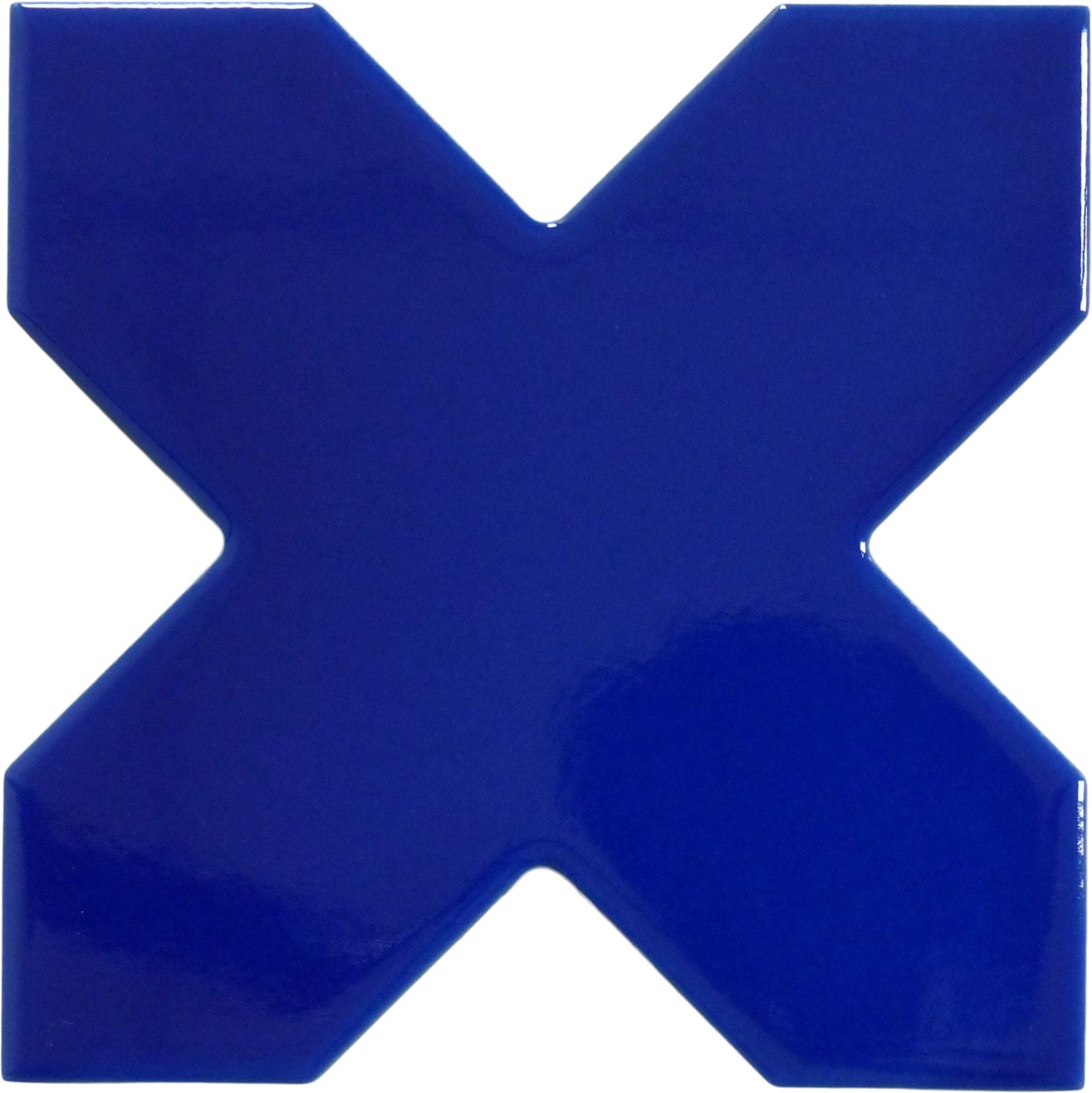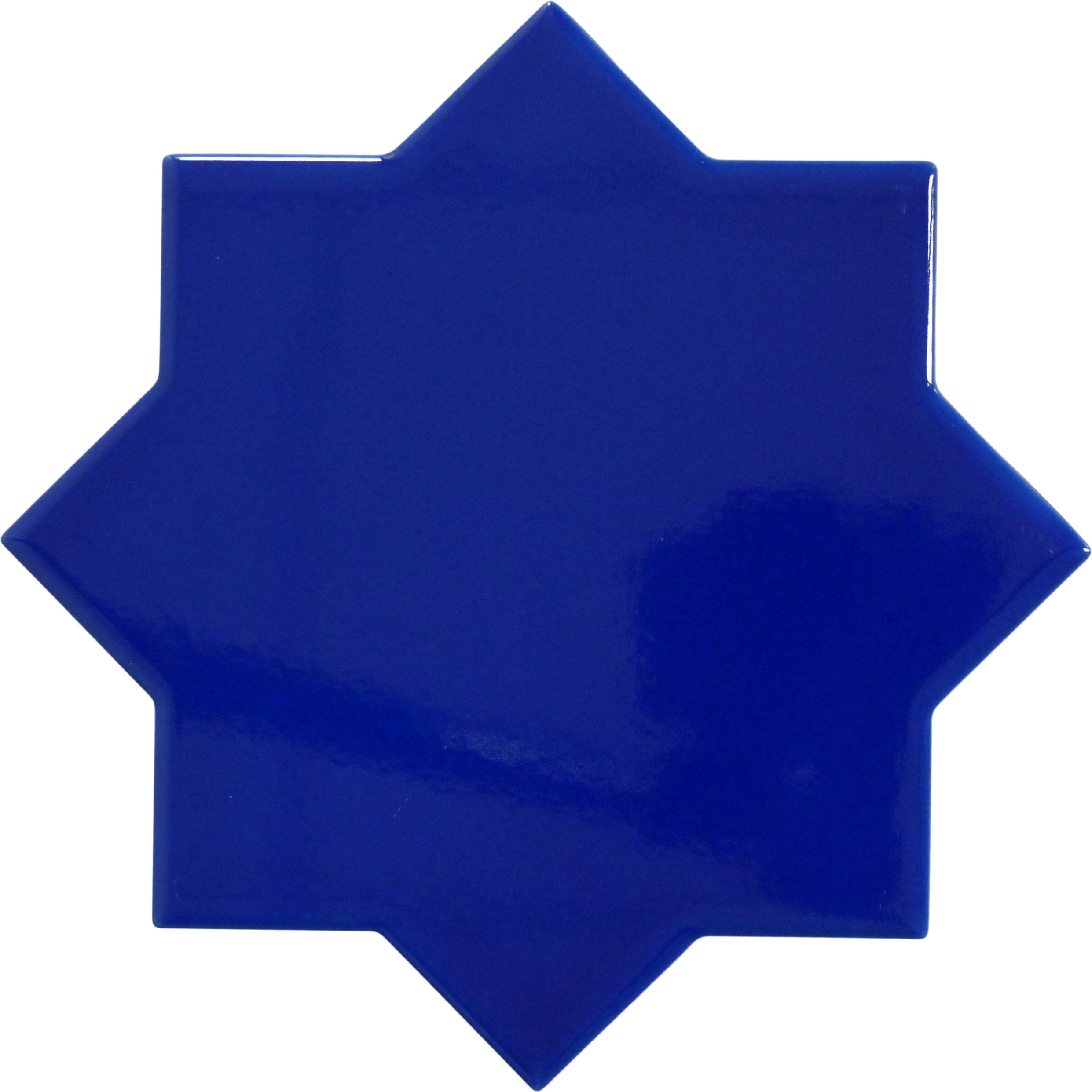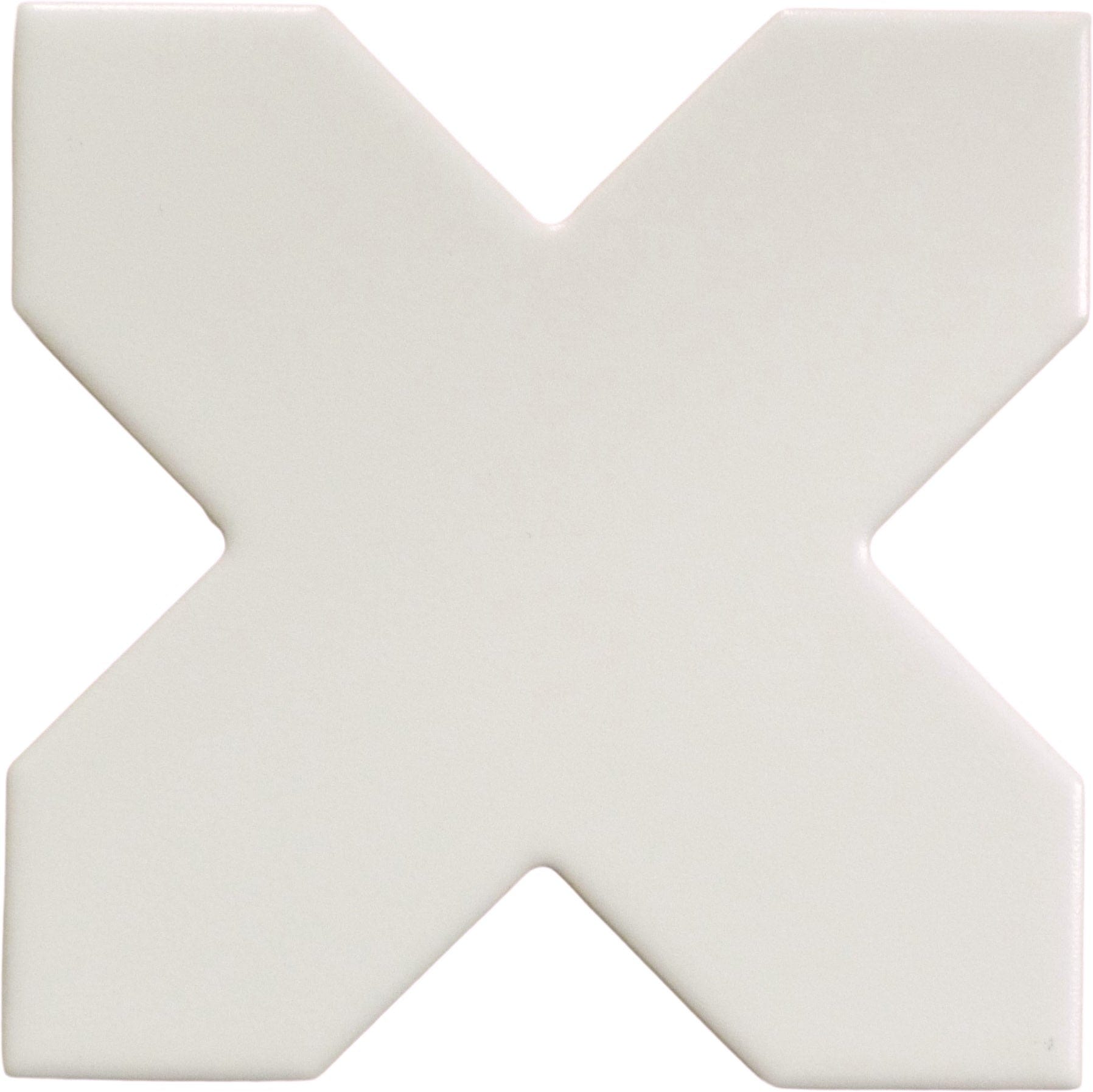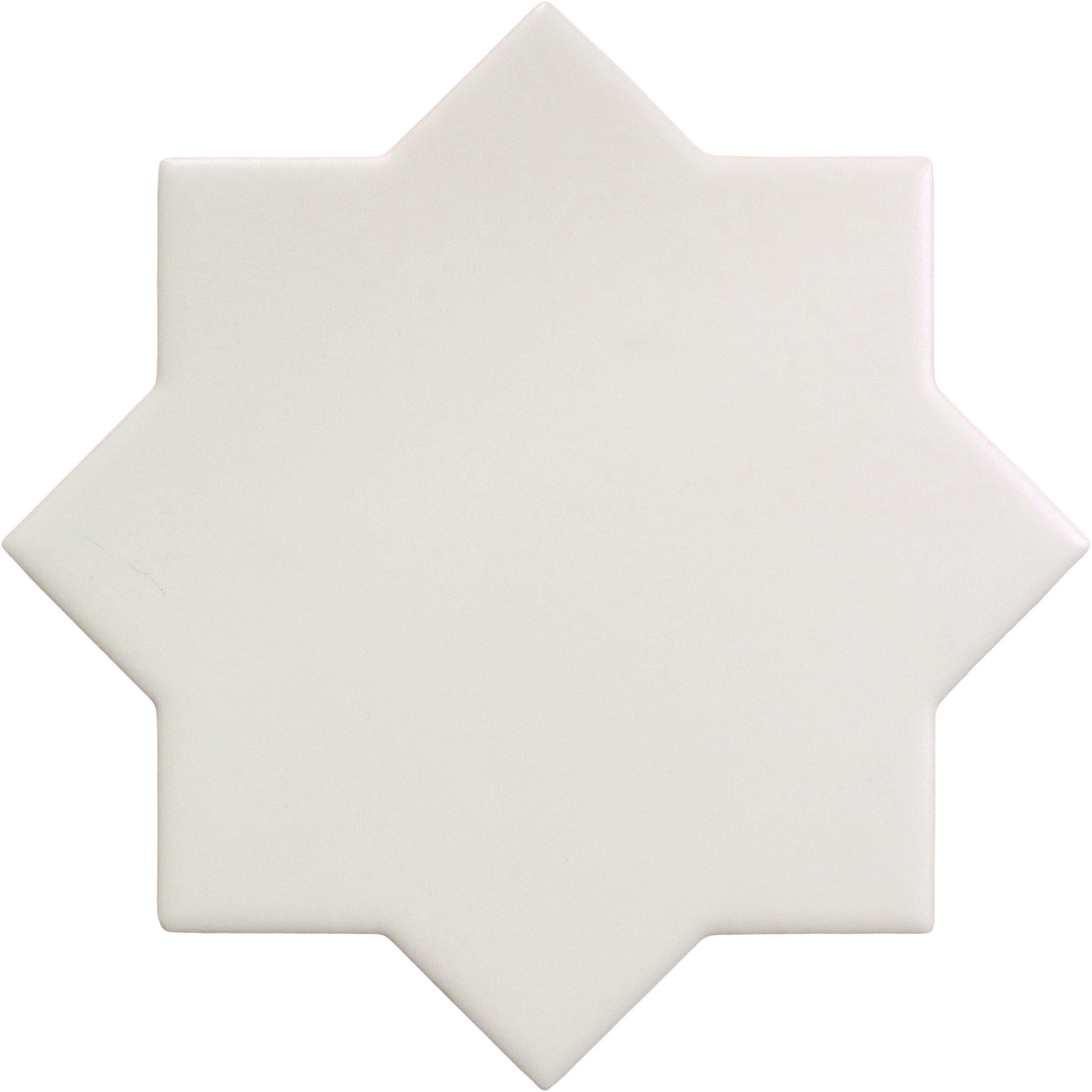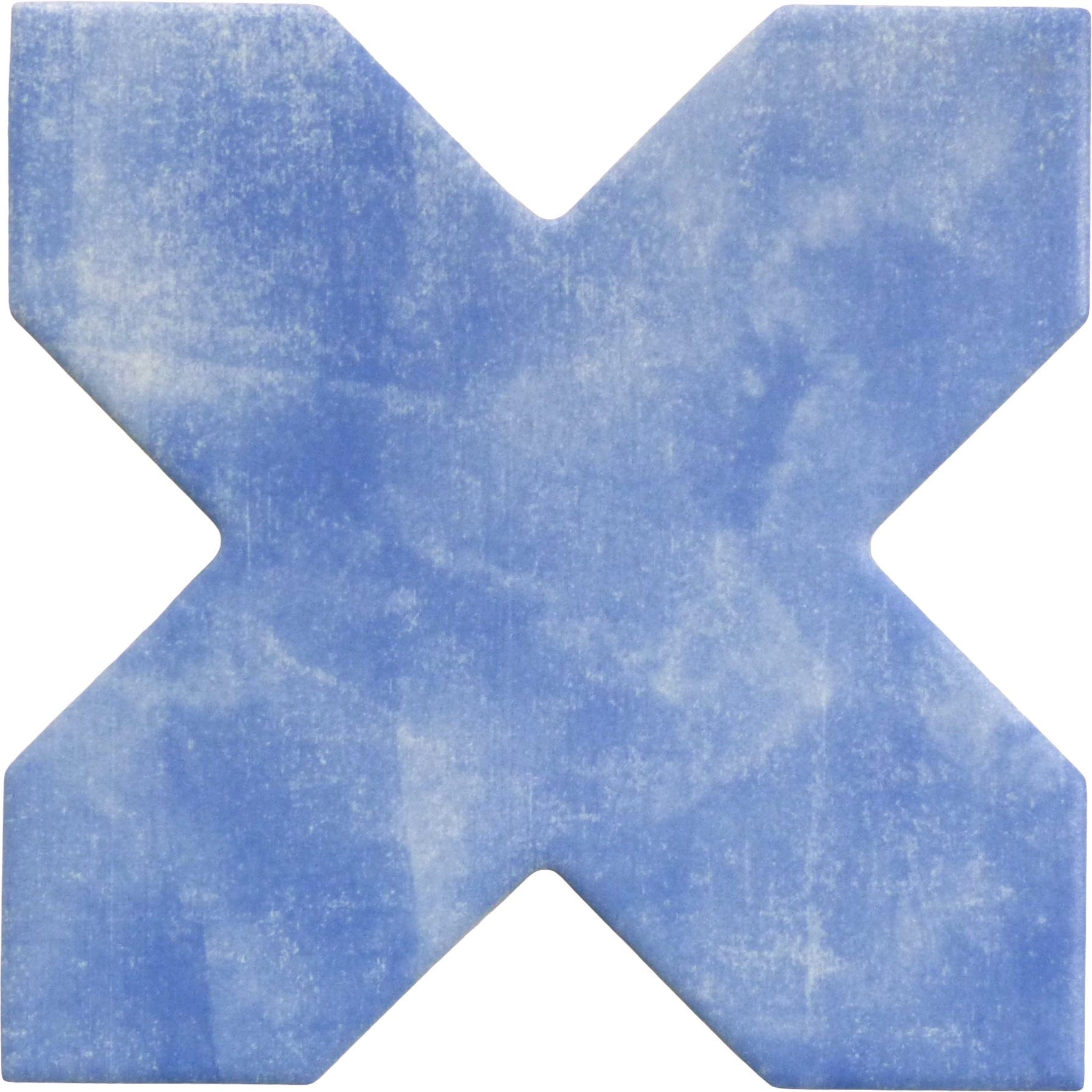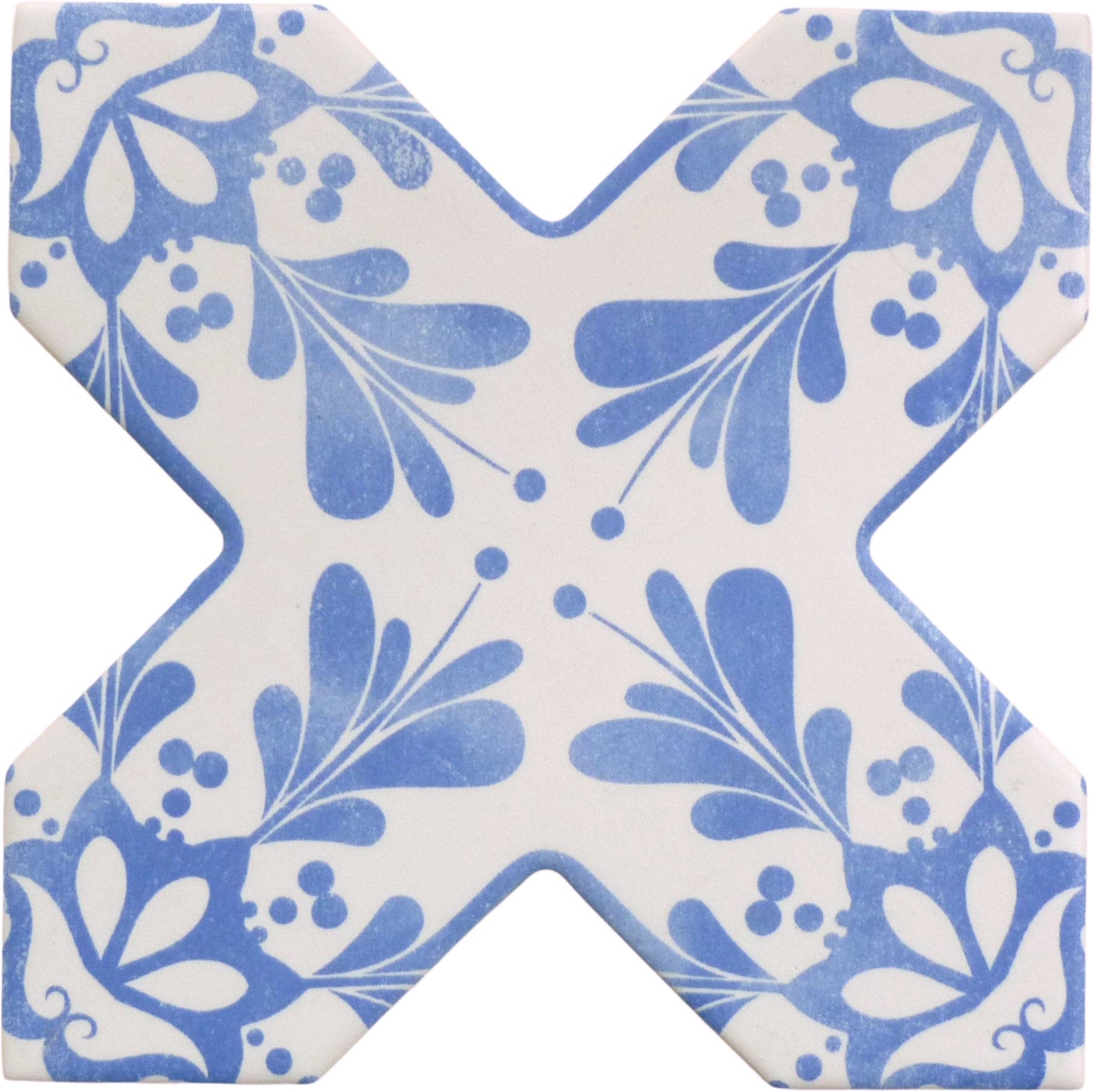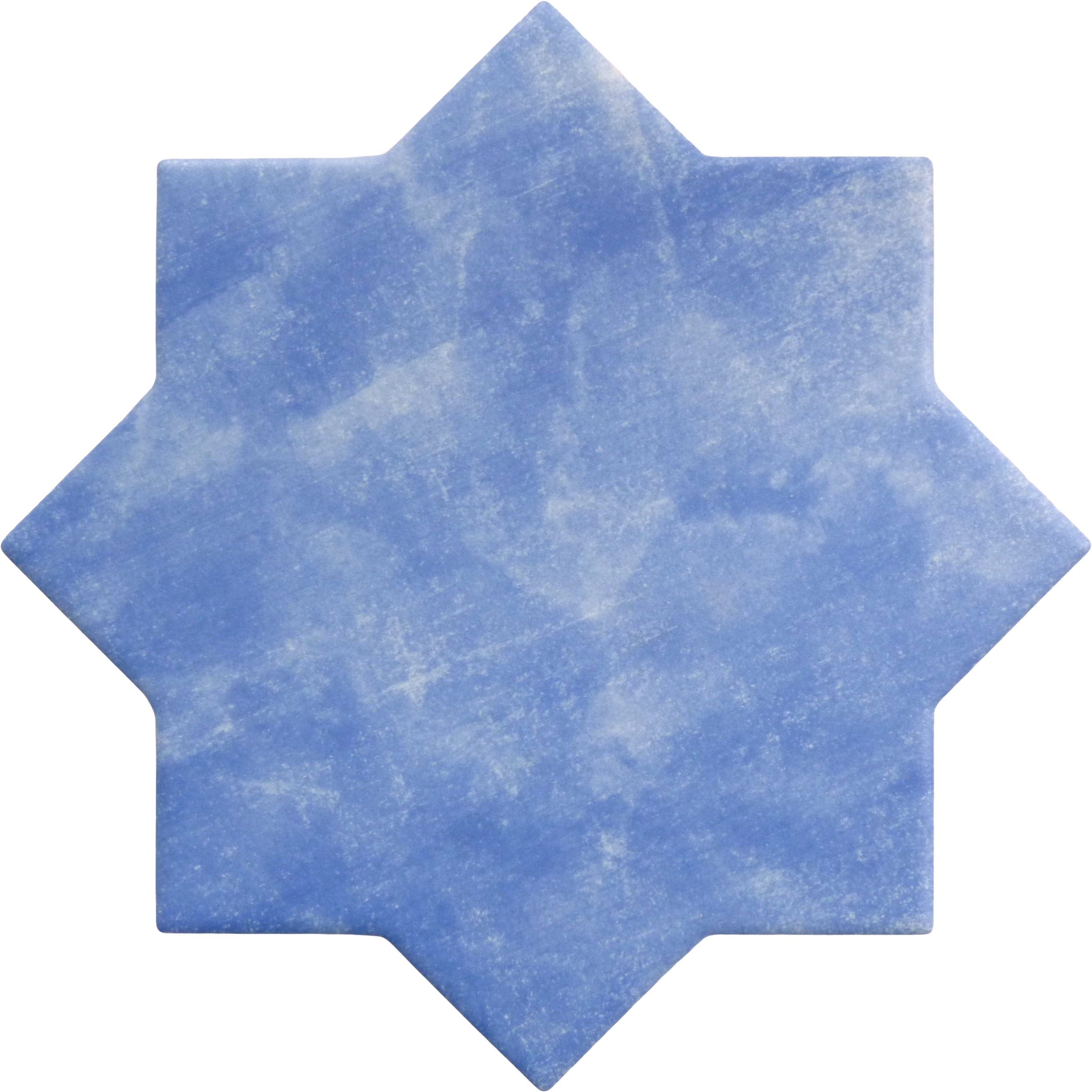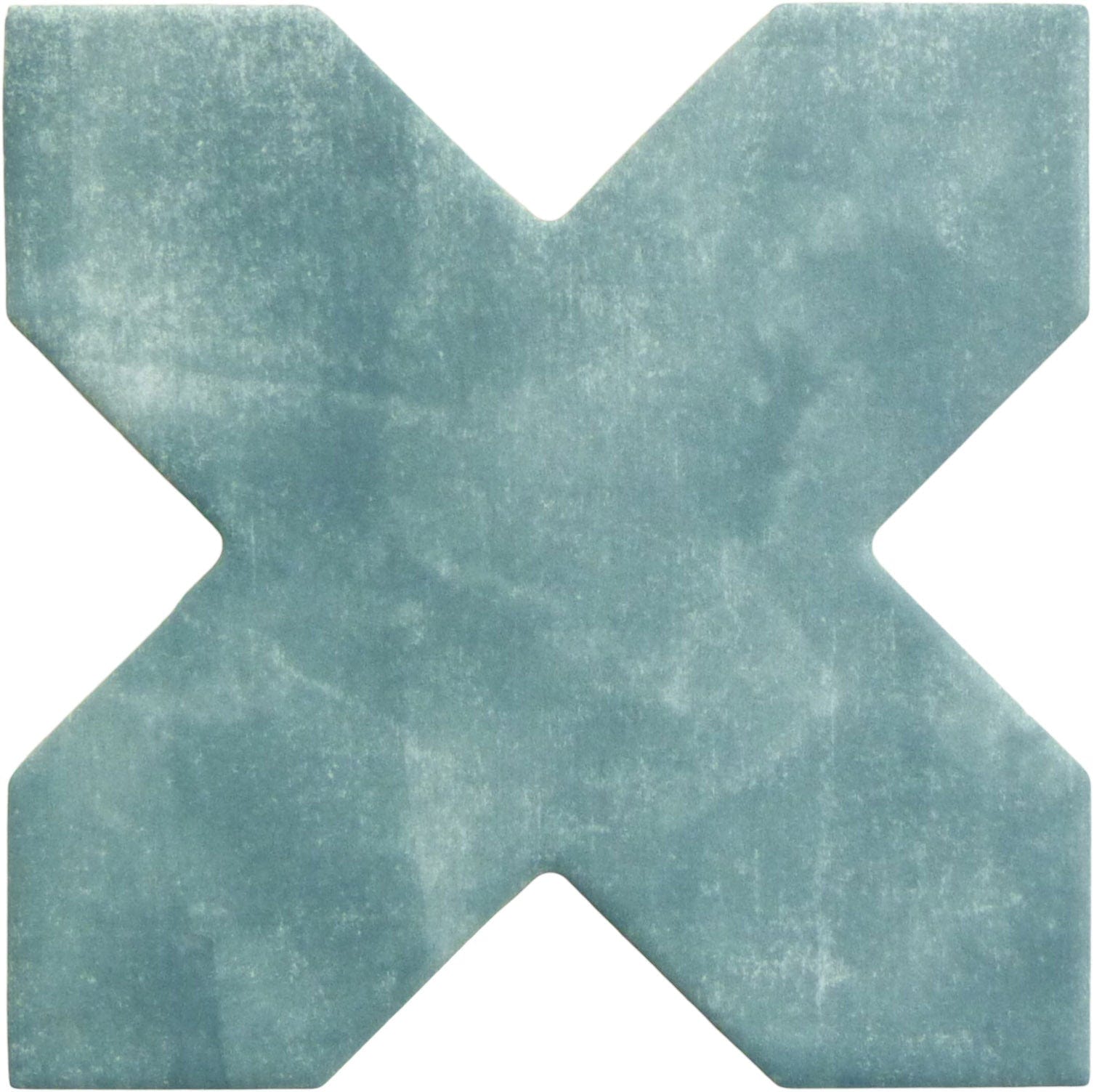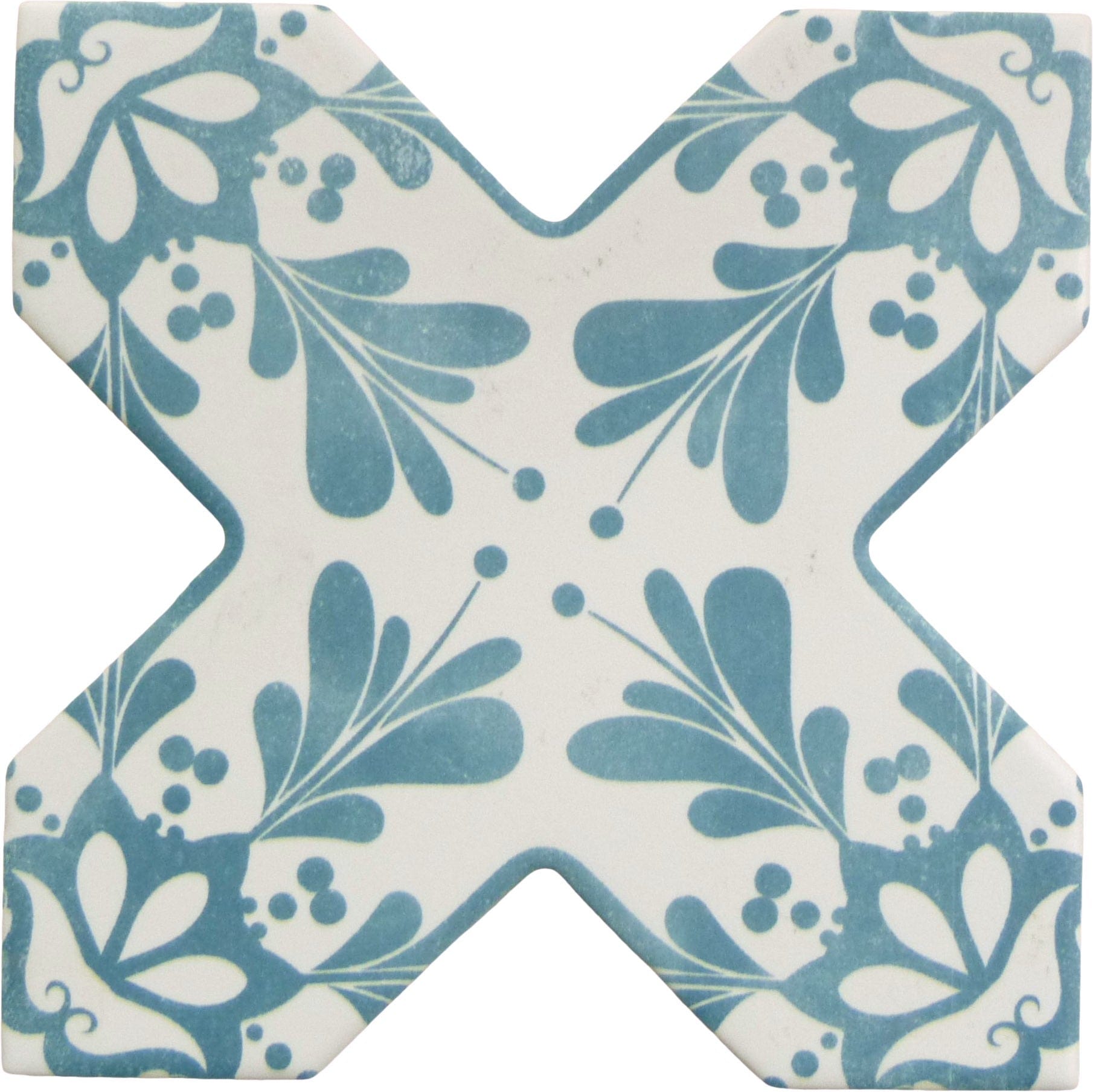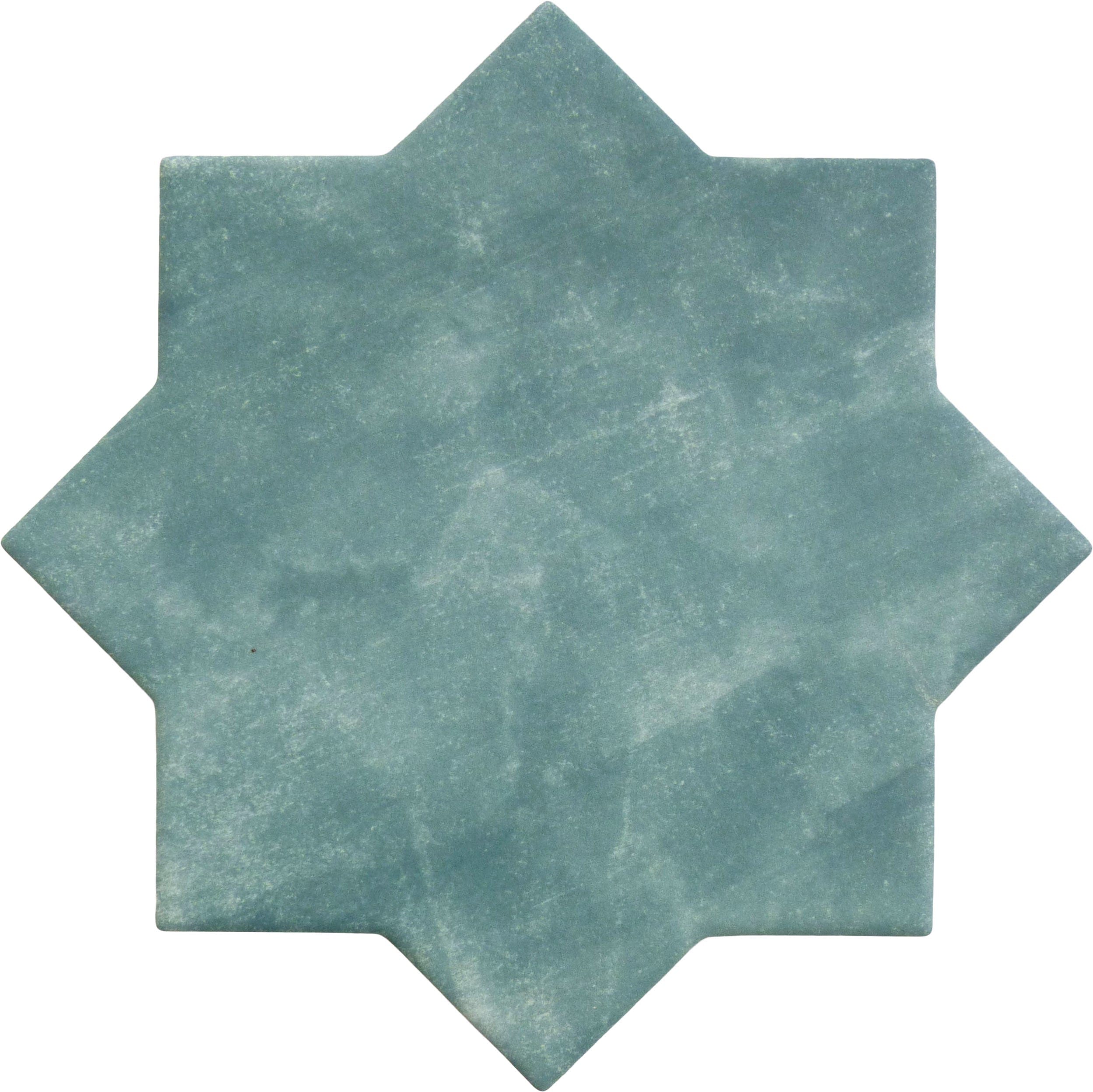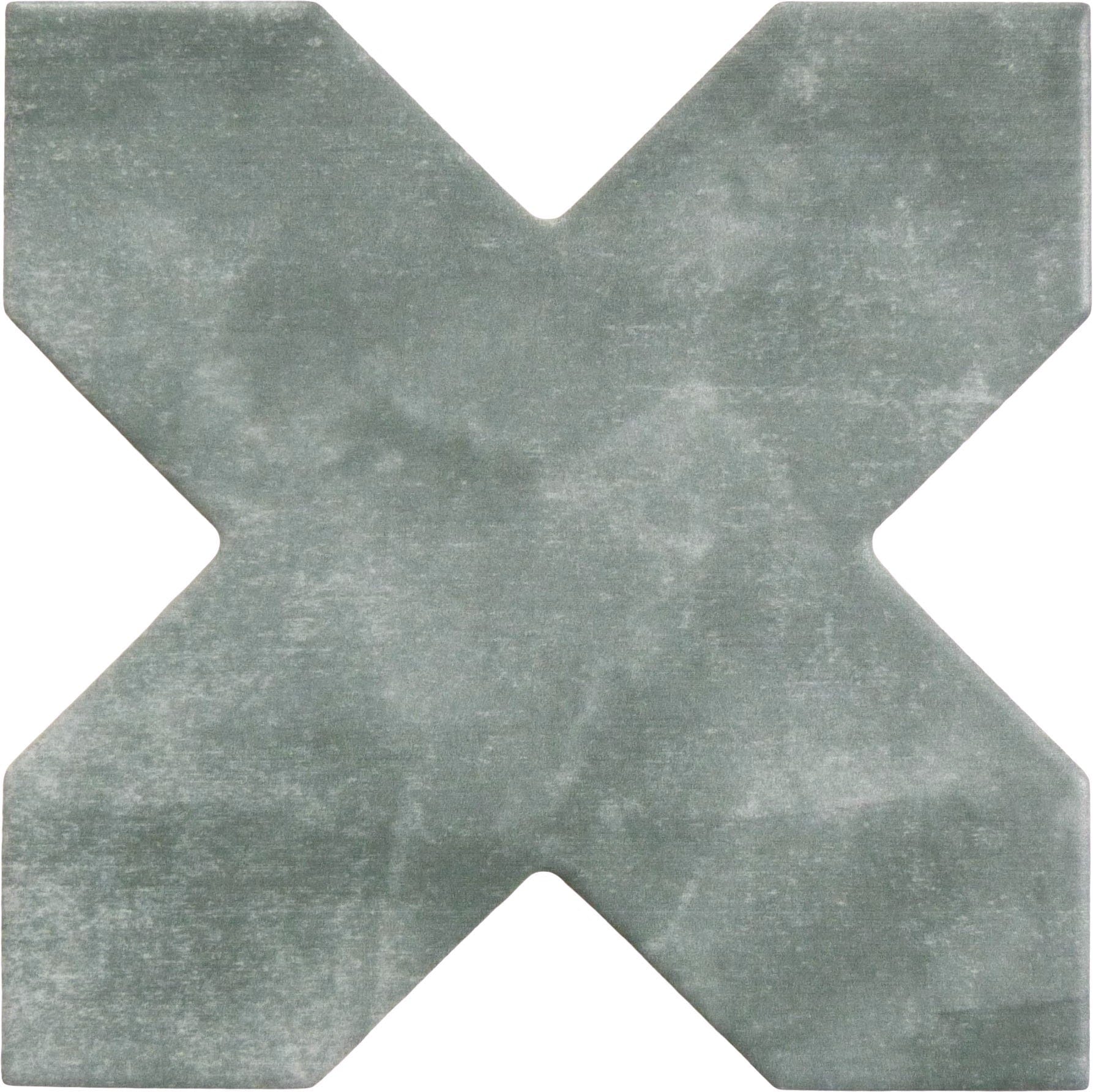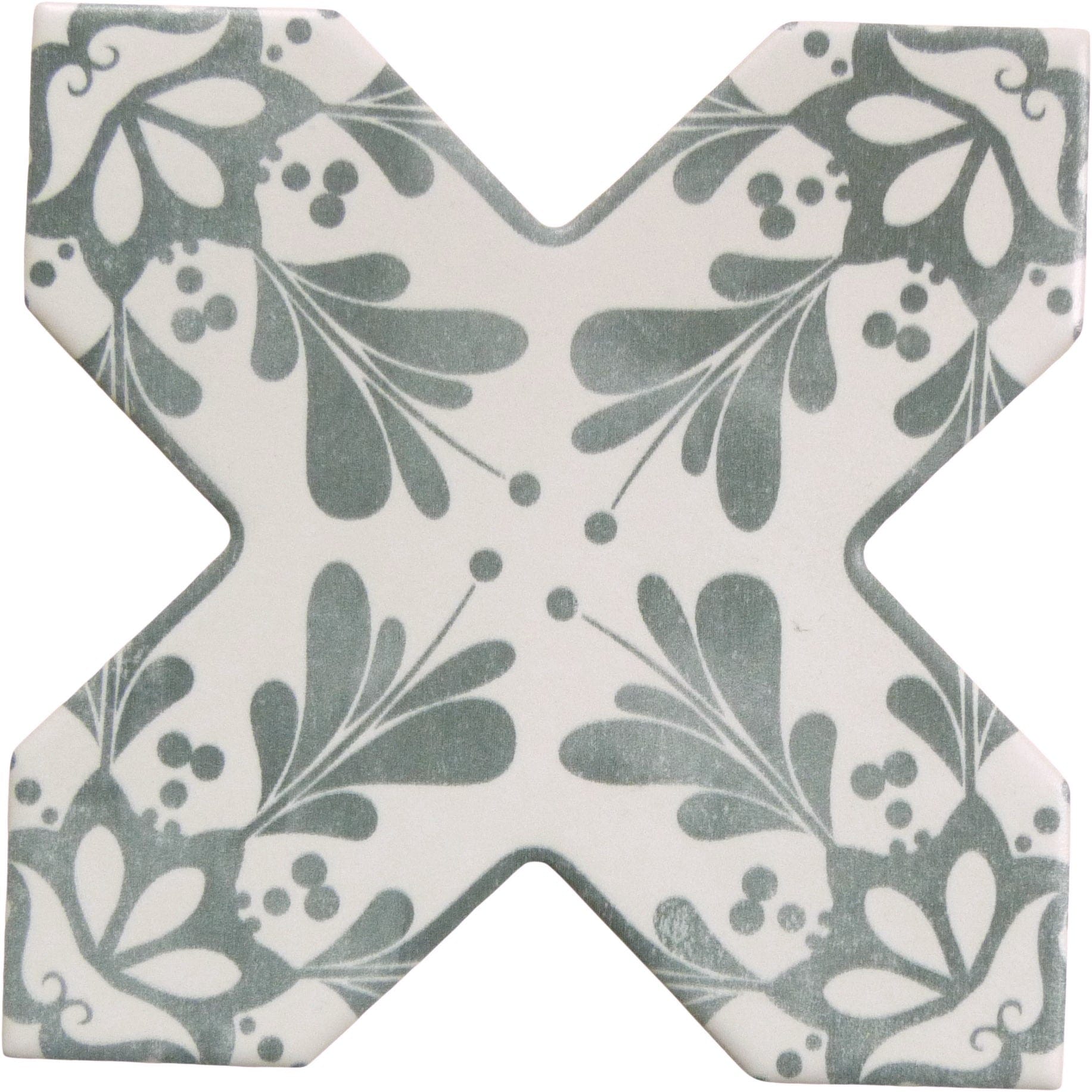
















Spanish Tiles
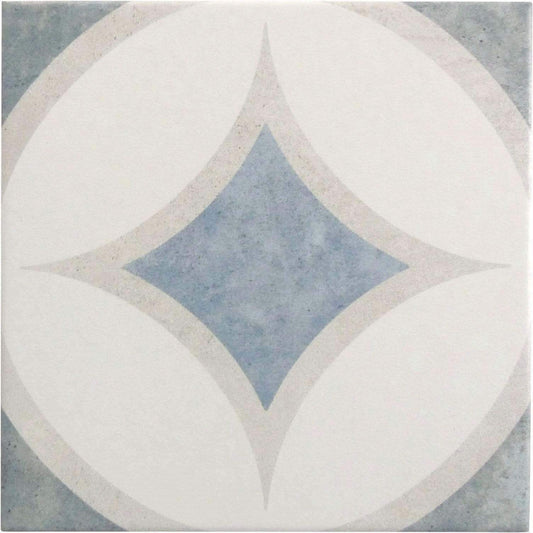
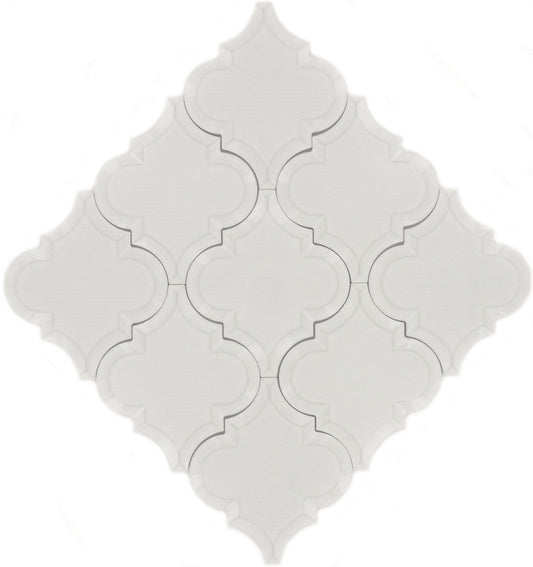
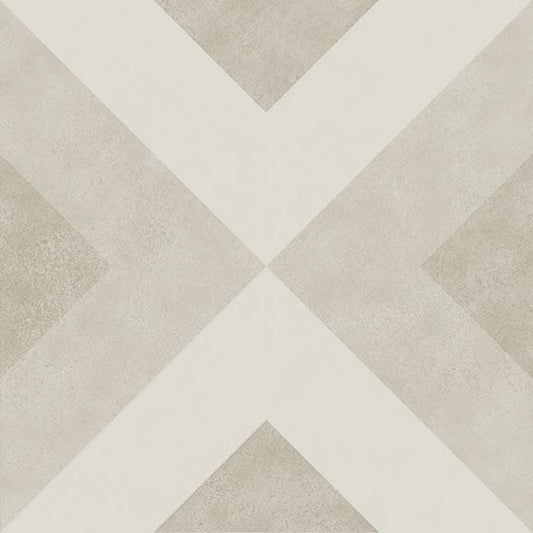
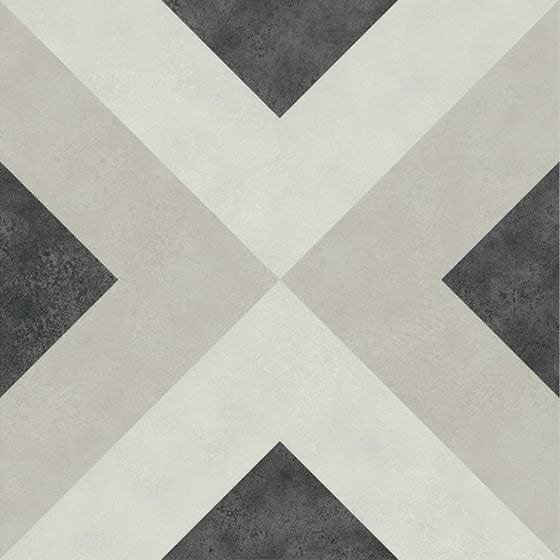
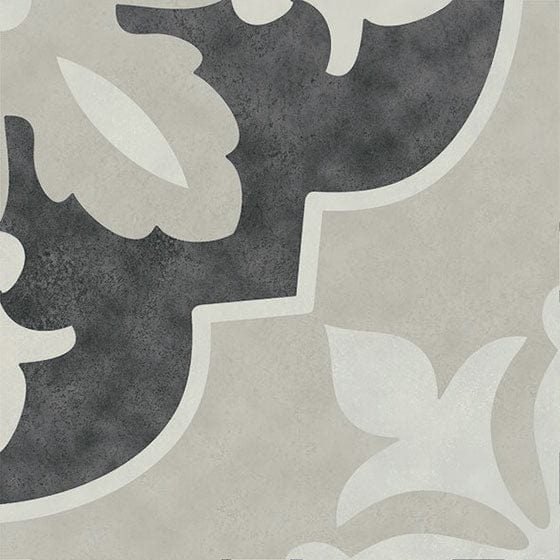
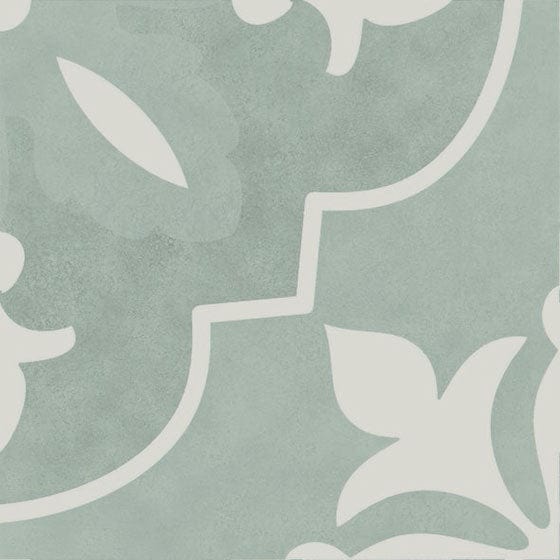
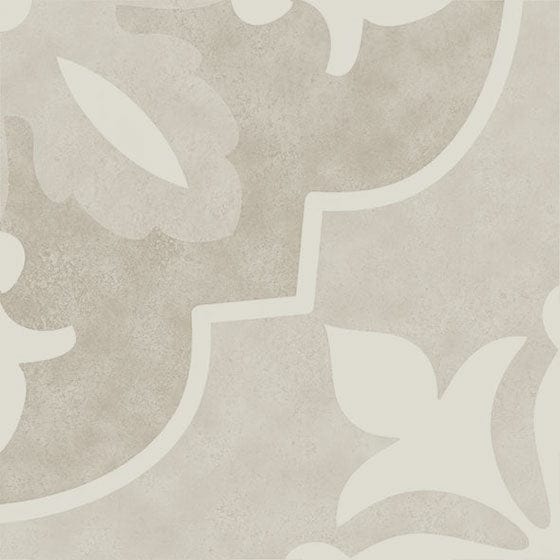
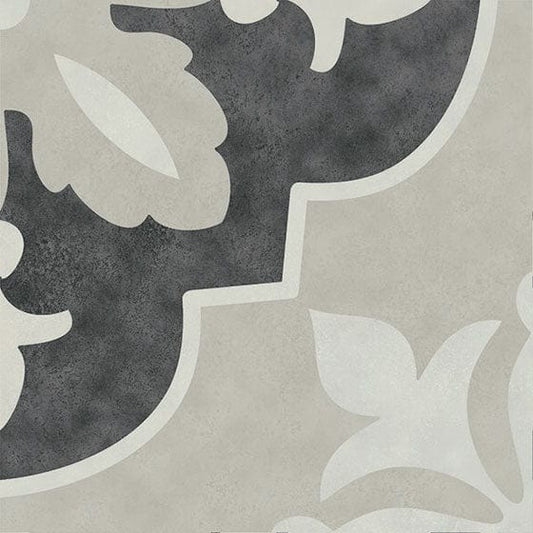
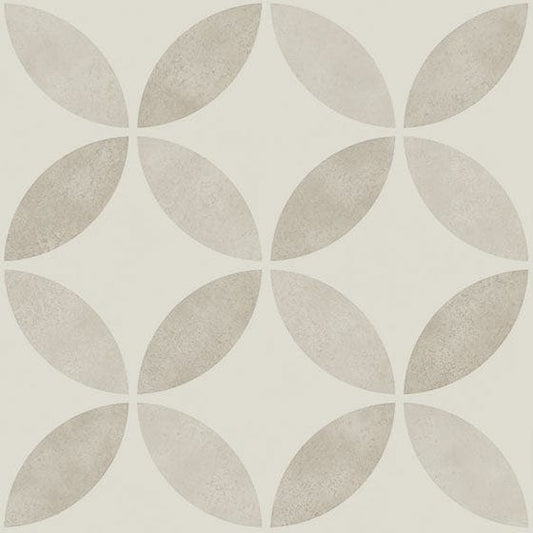
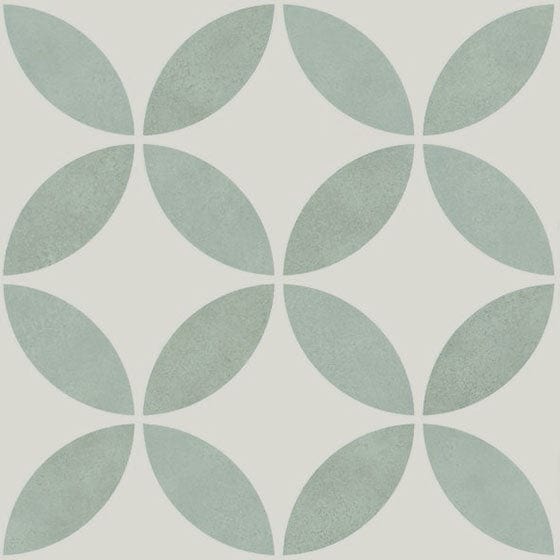
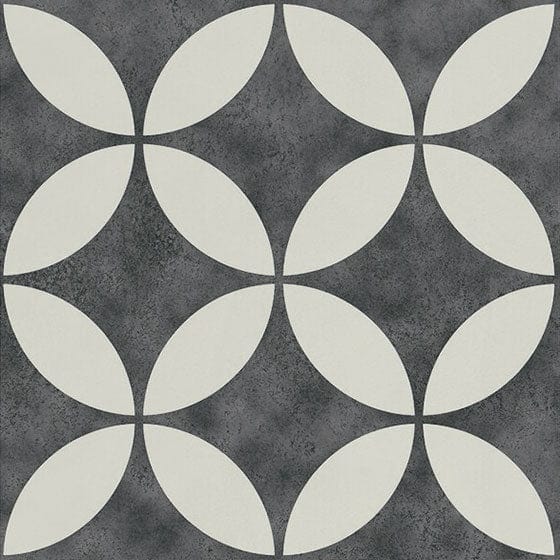
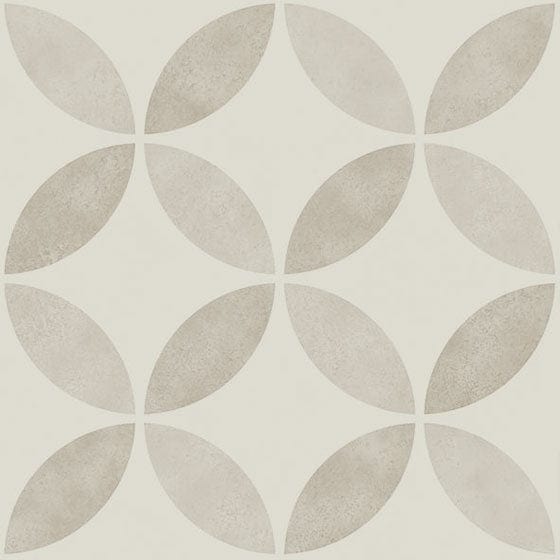
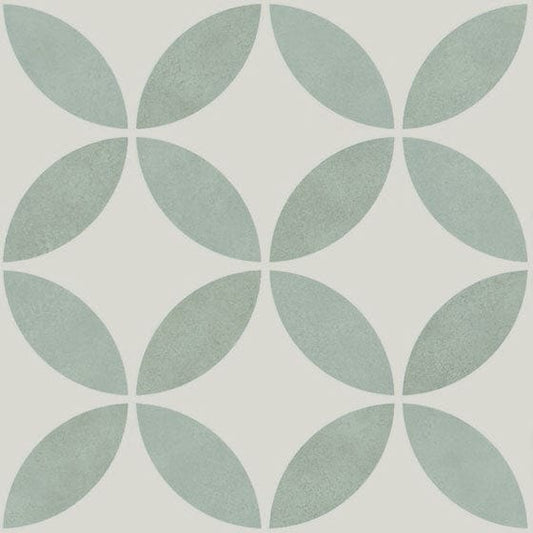
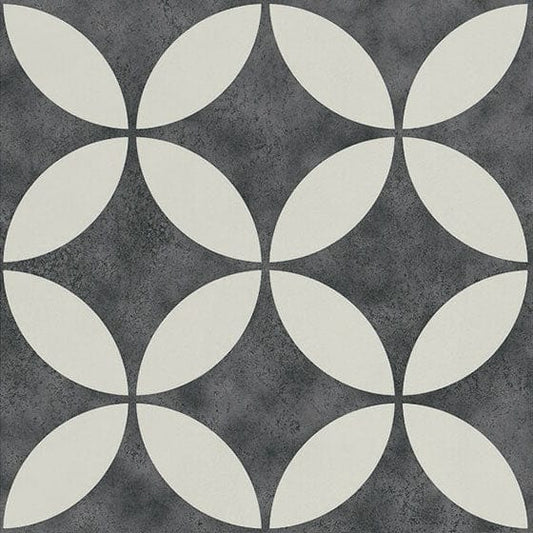
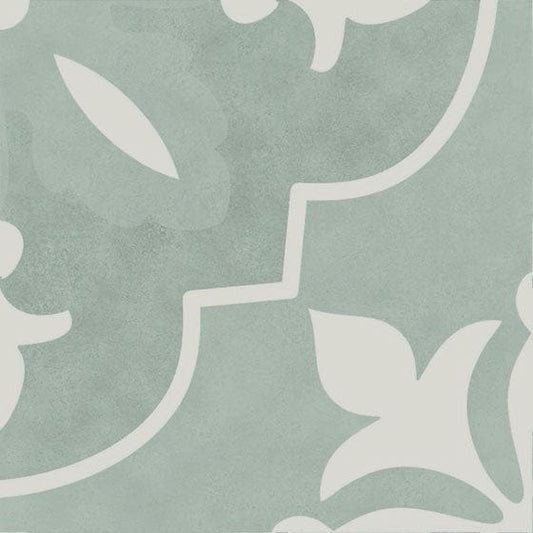
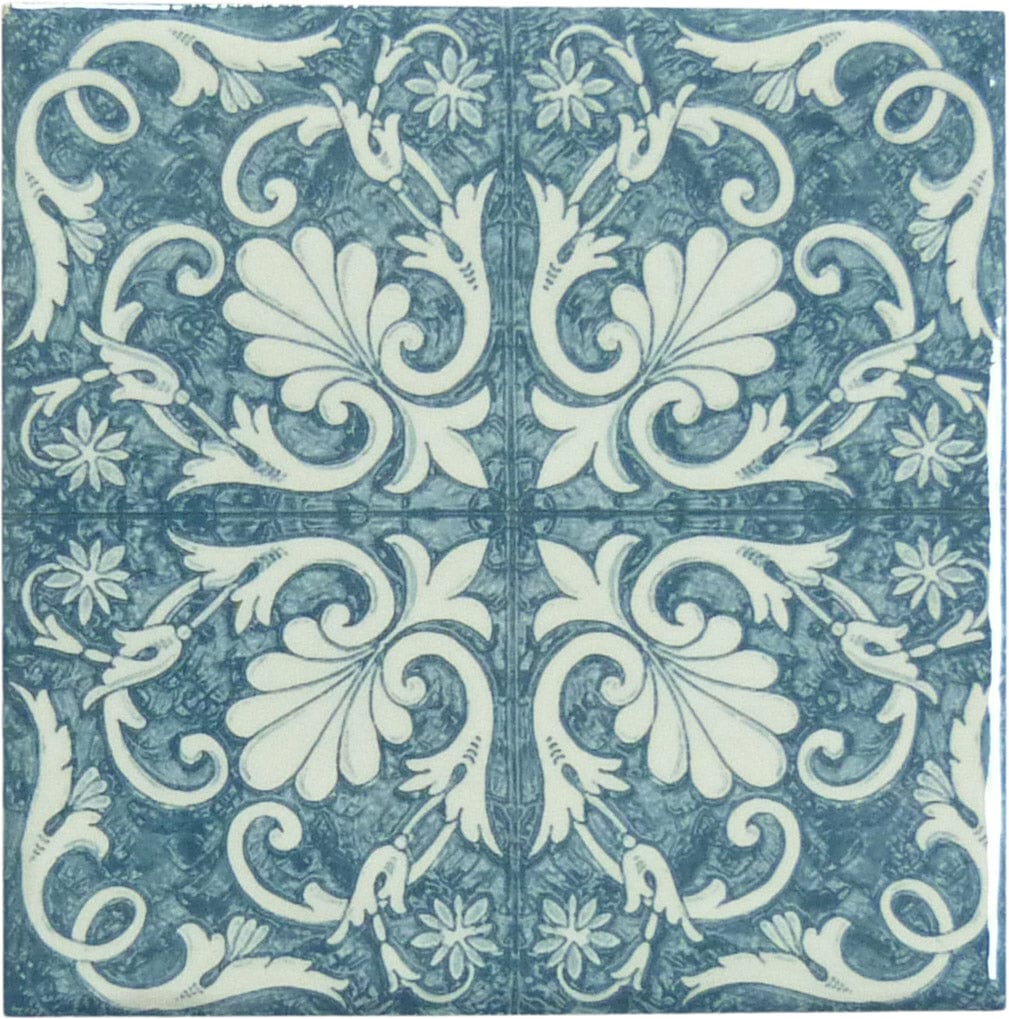
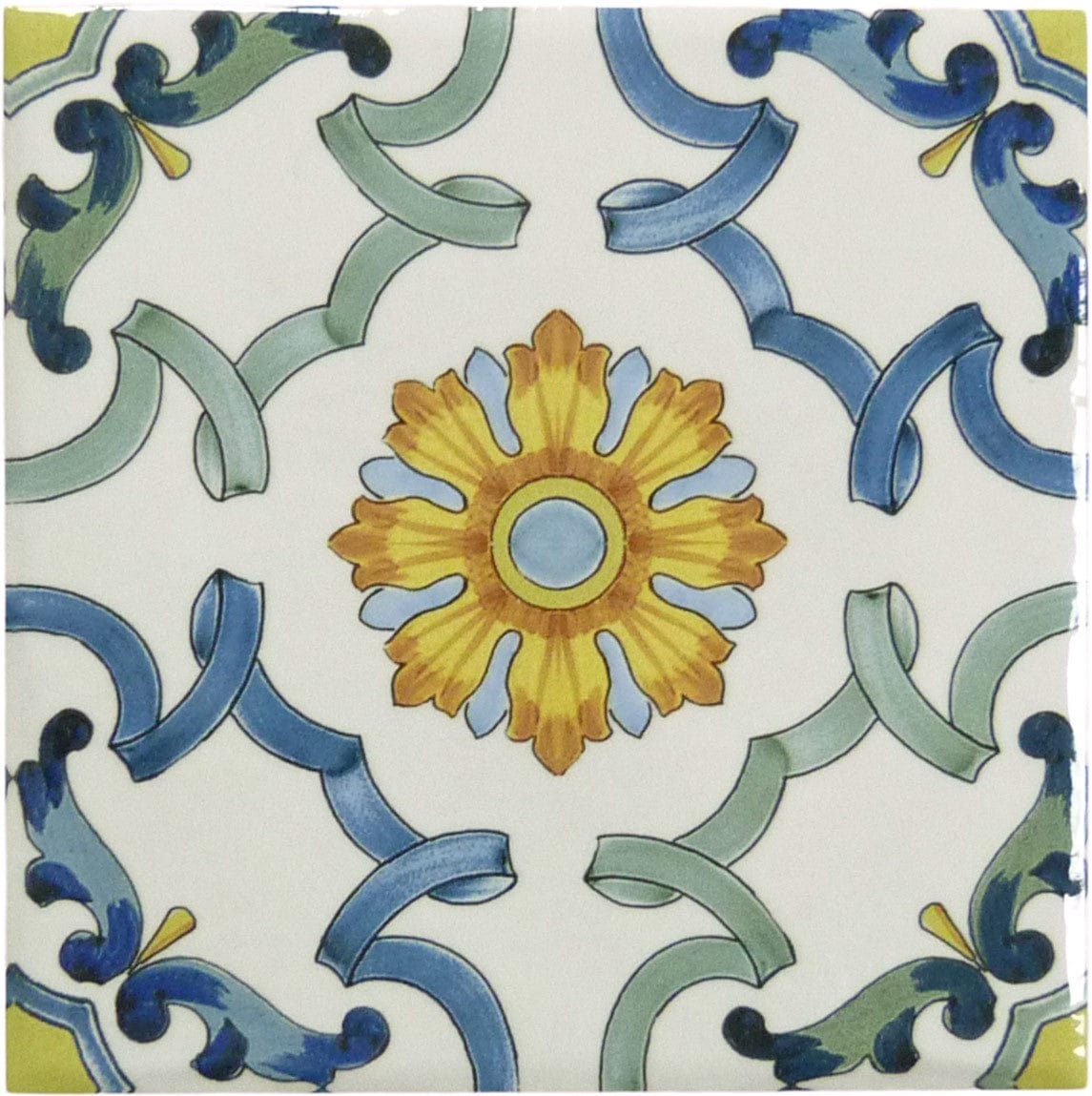
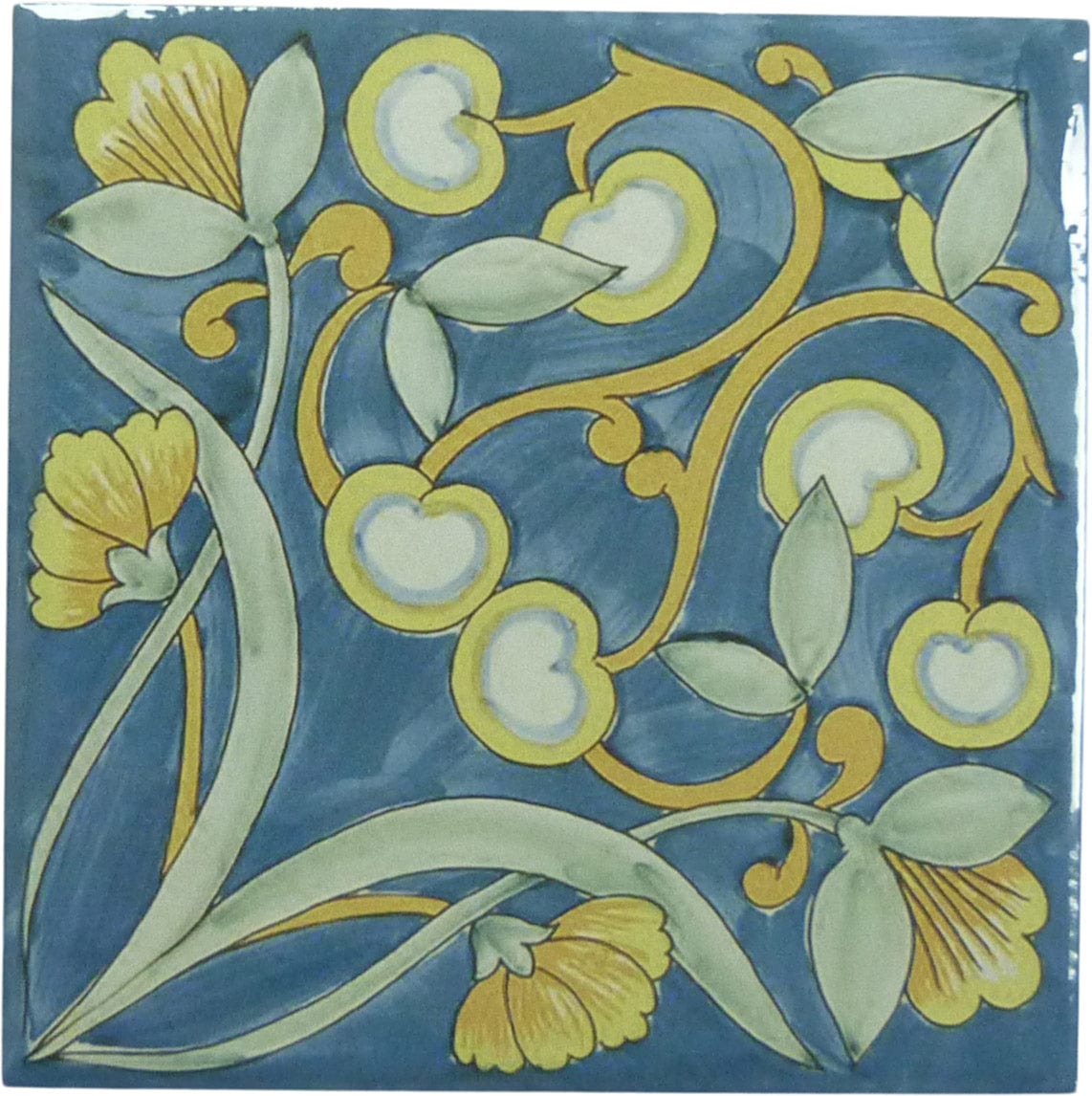
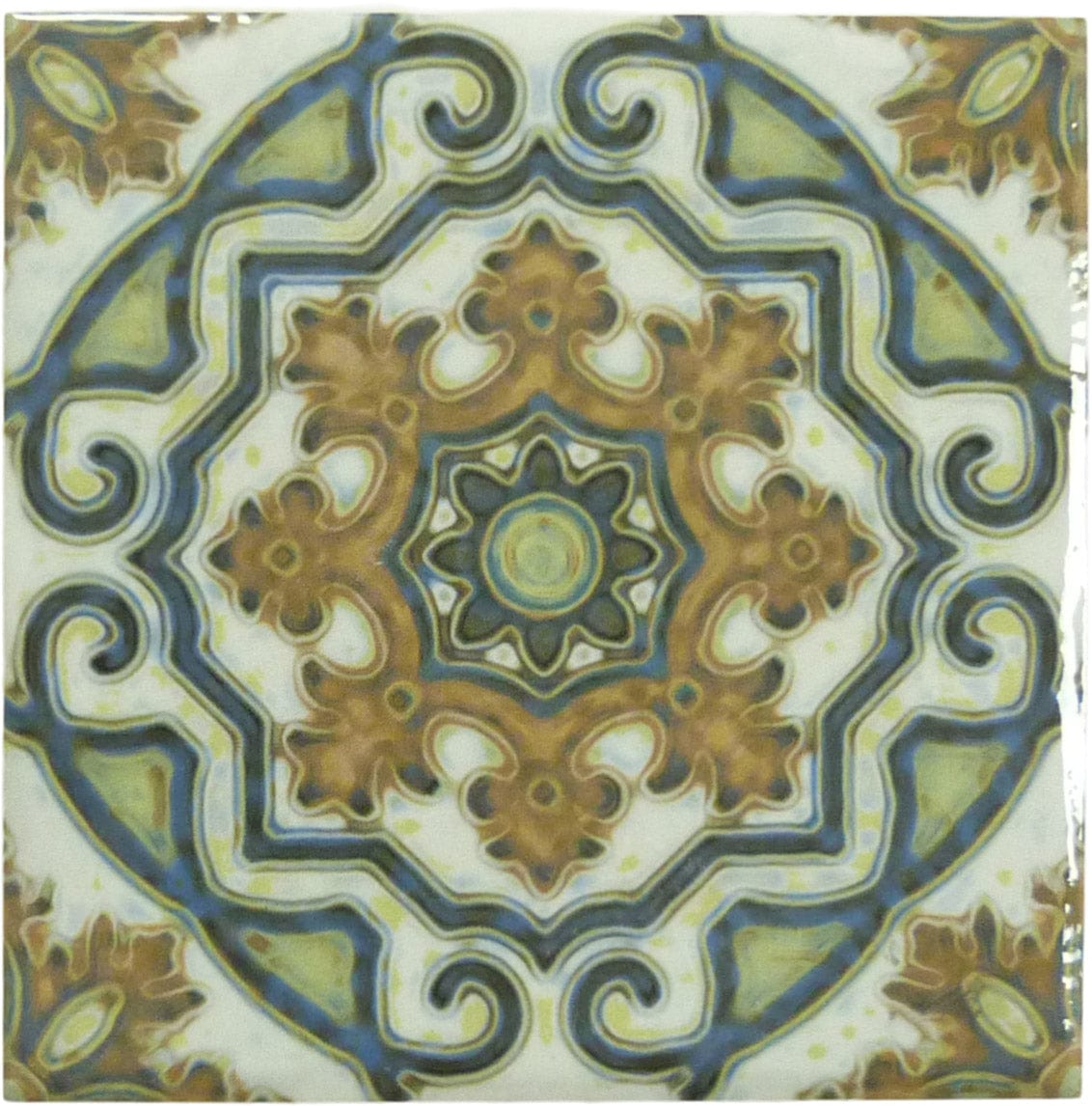
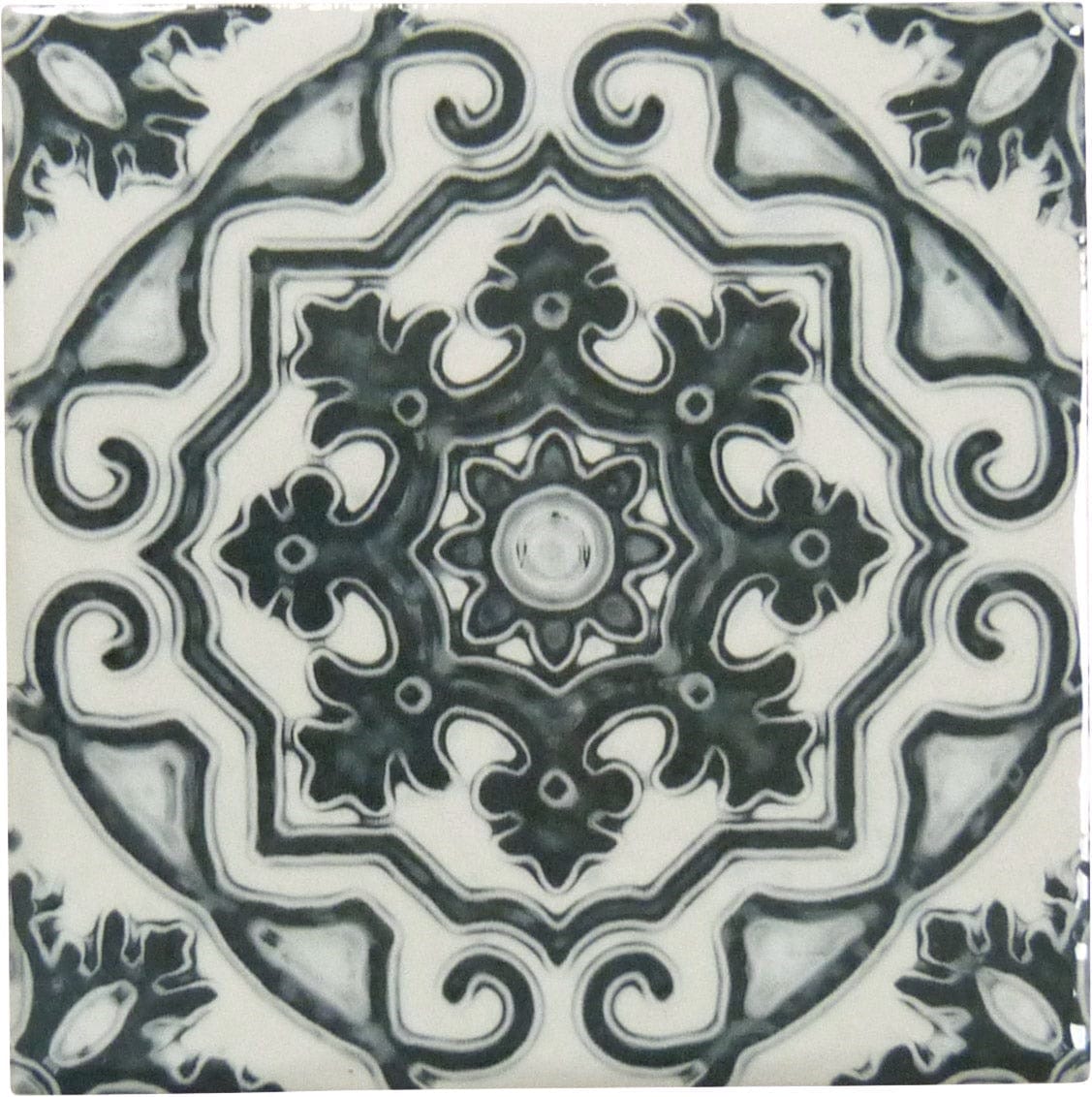
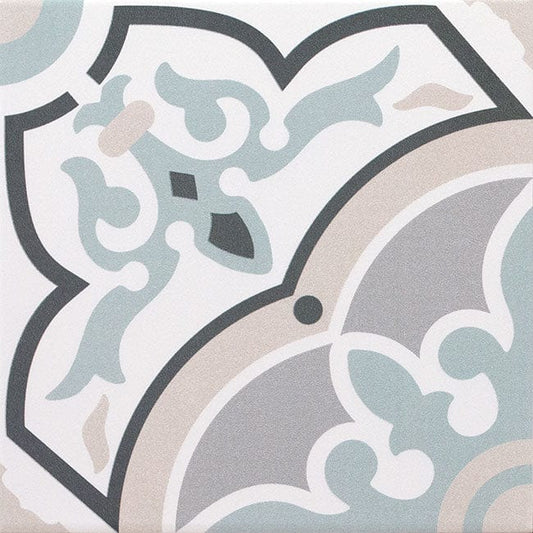
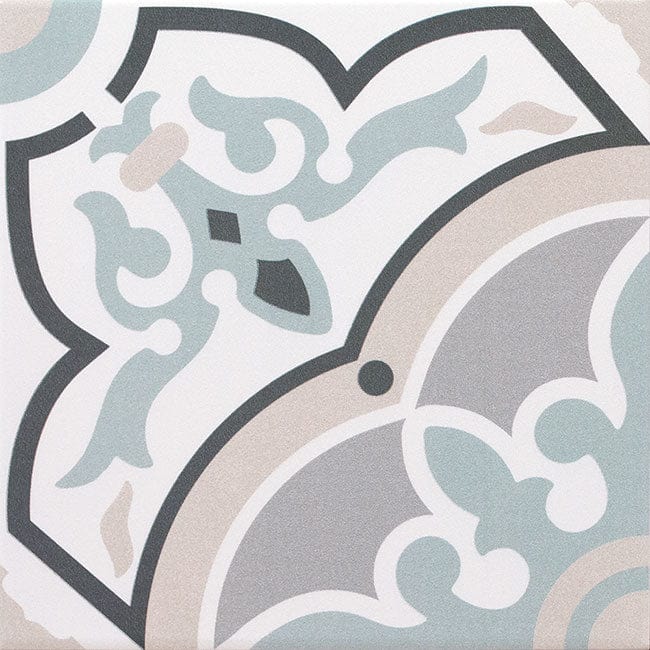
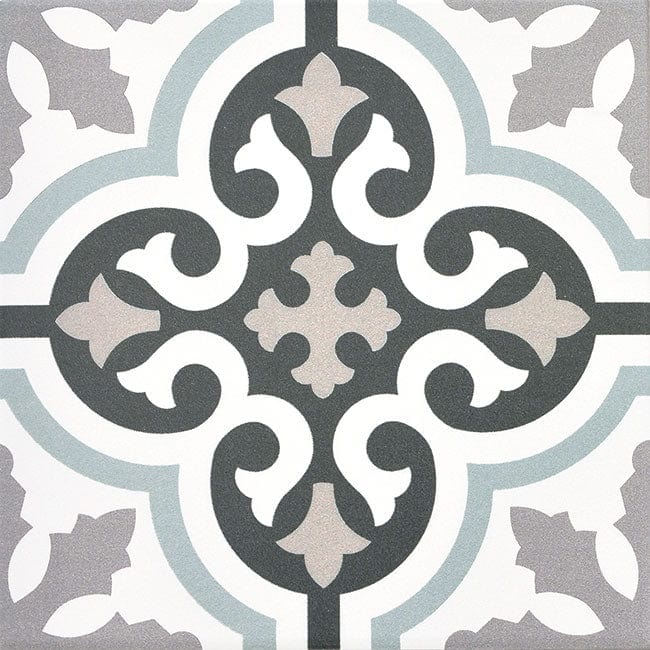
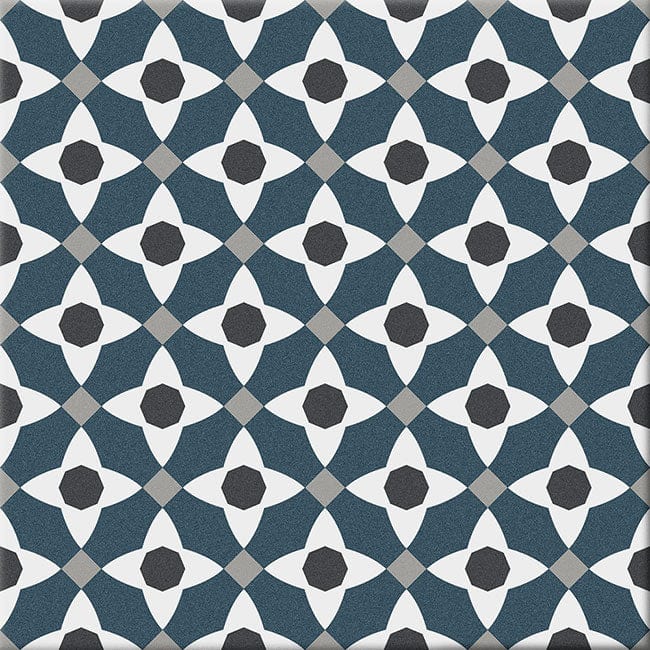
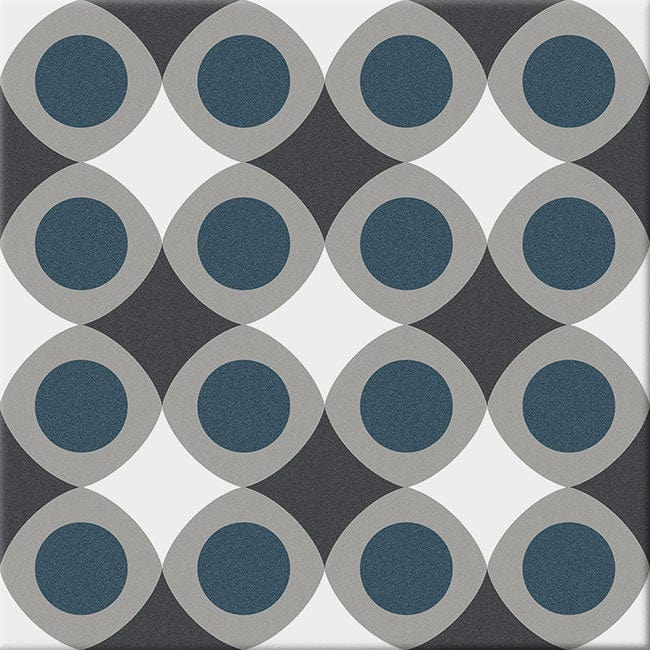
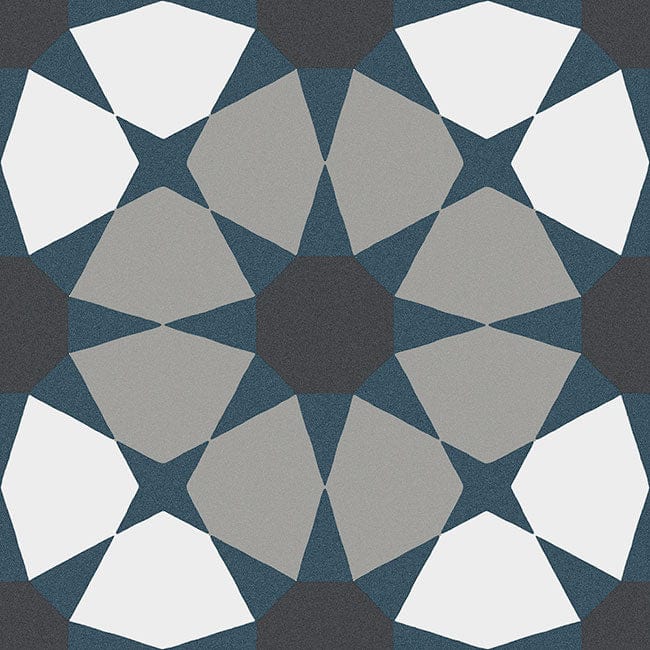
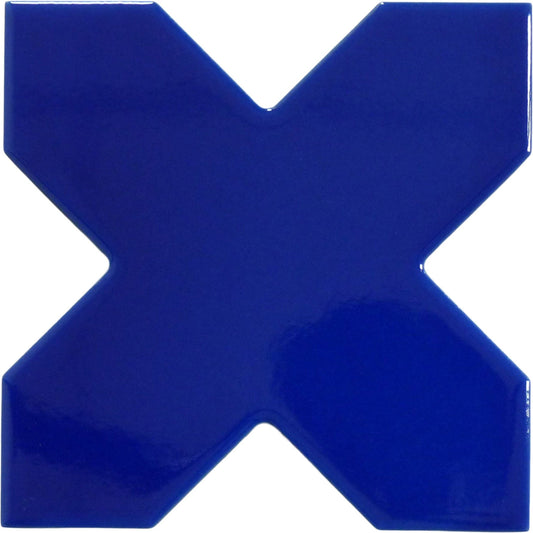
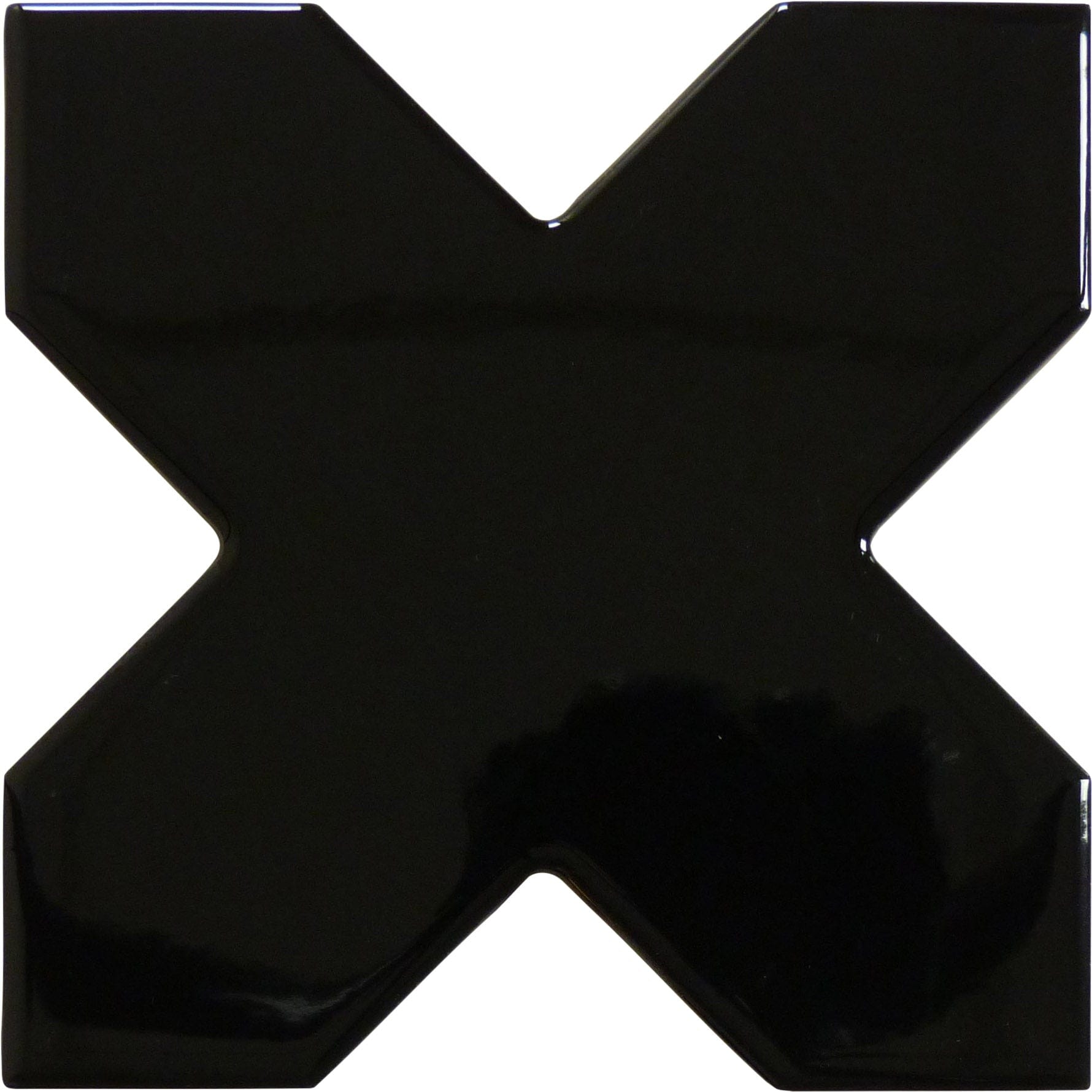
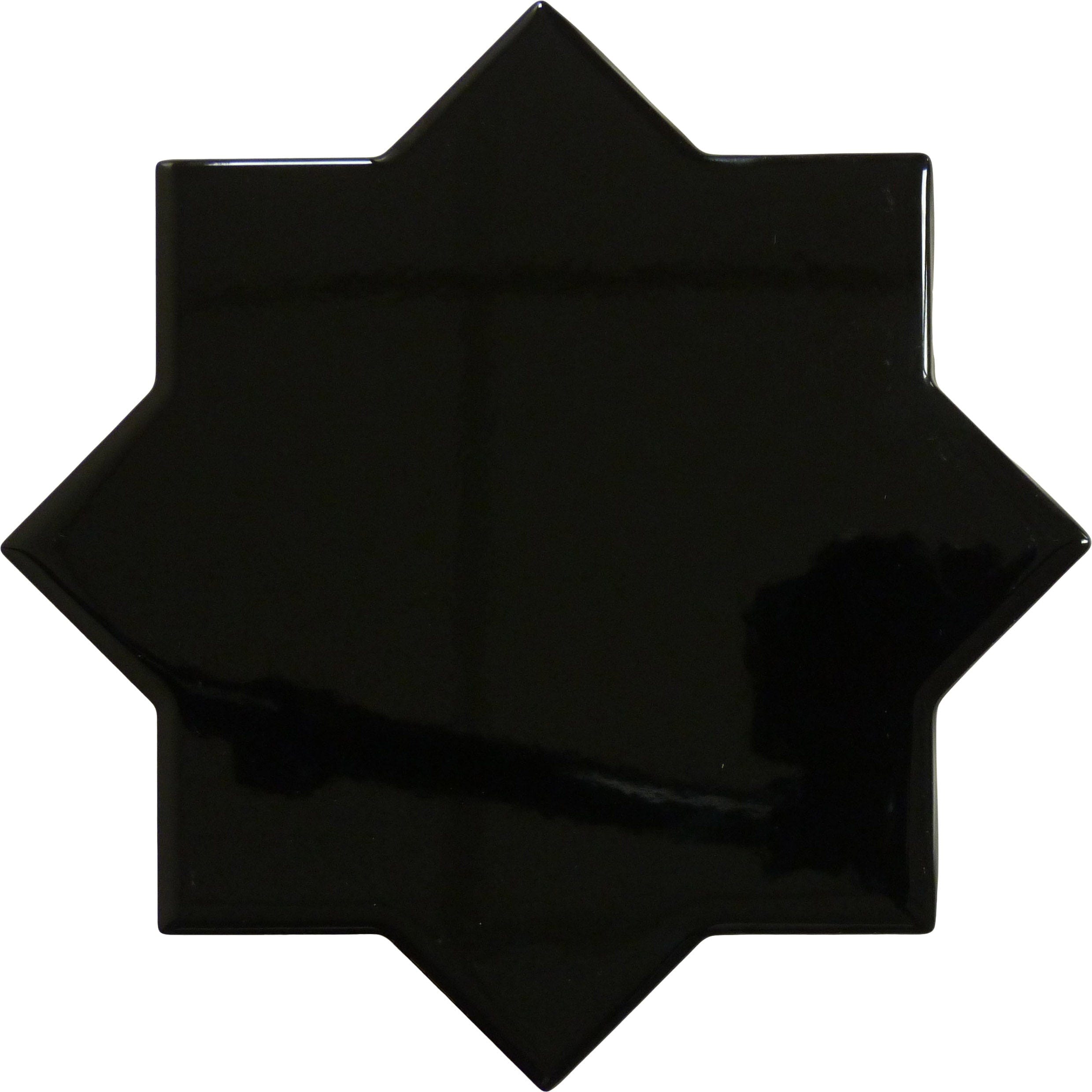
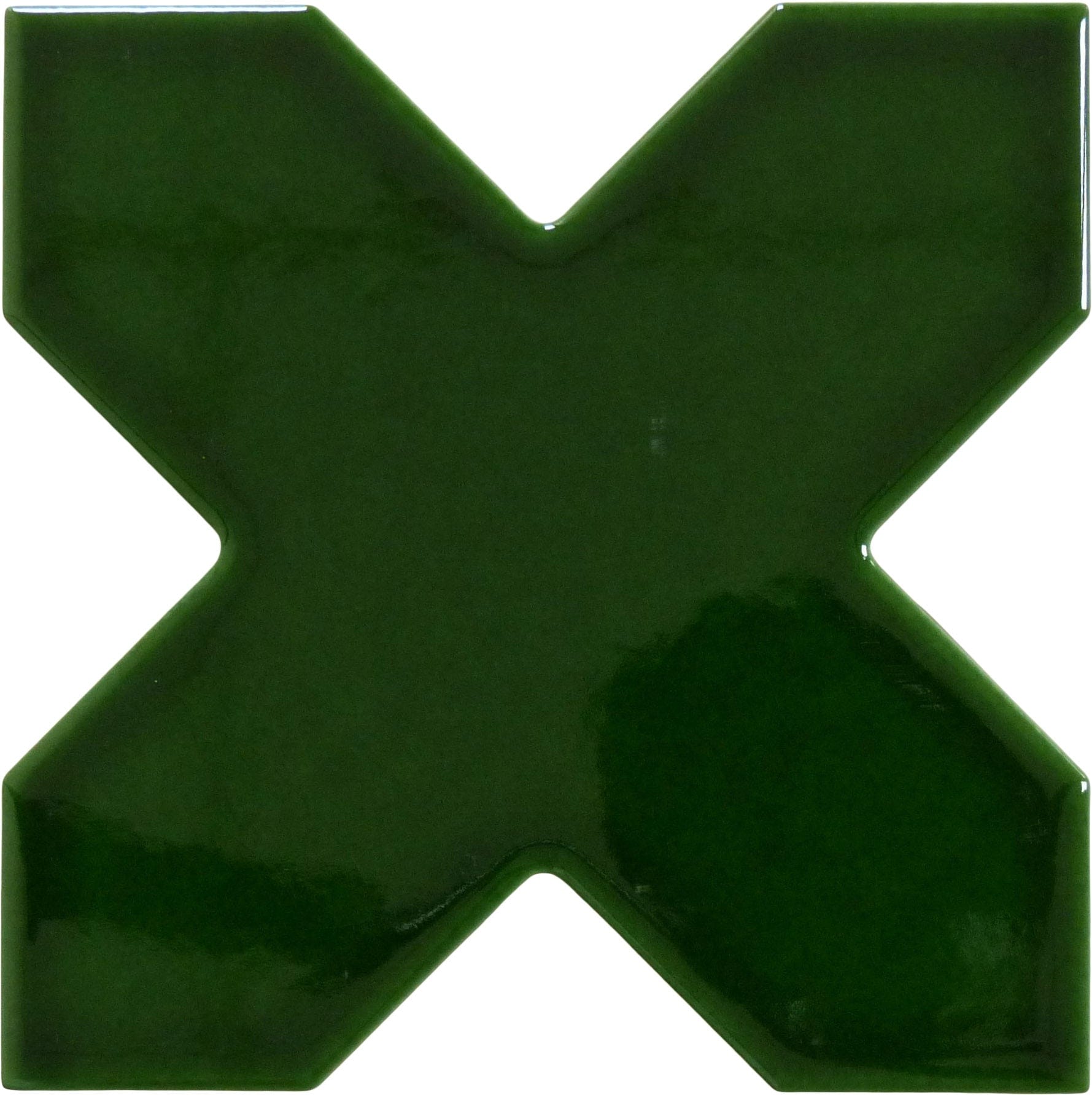
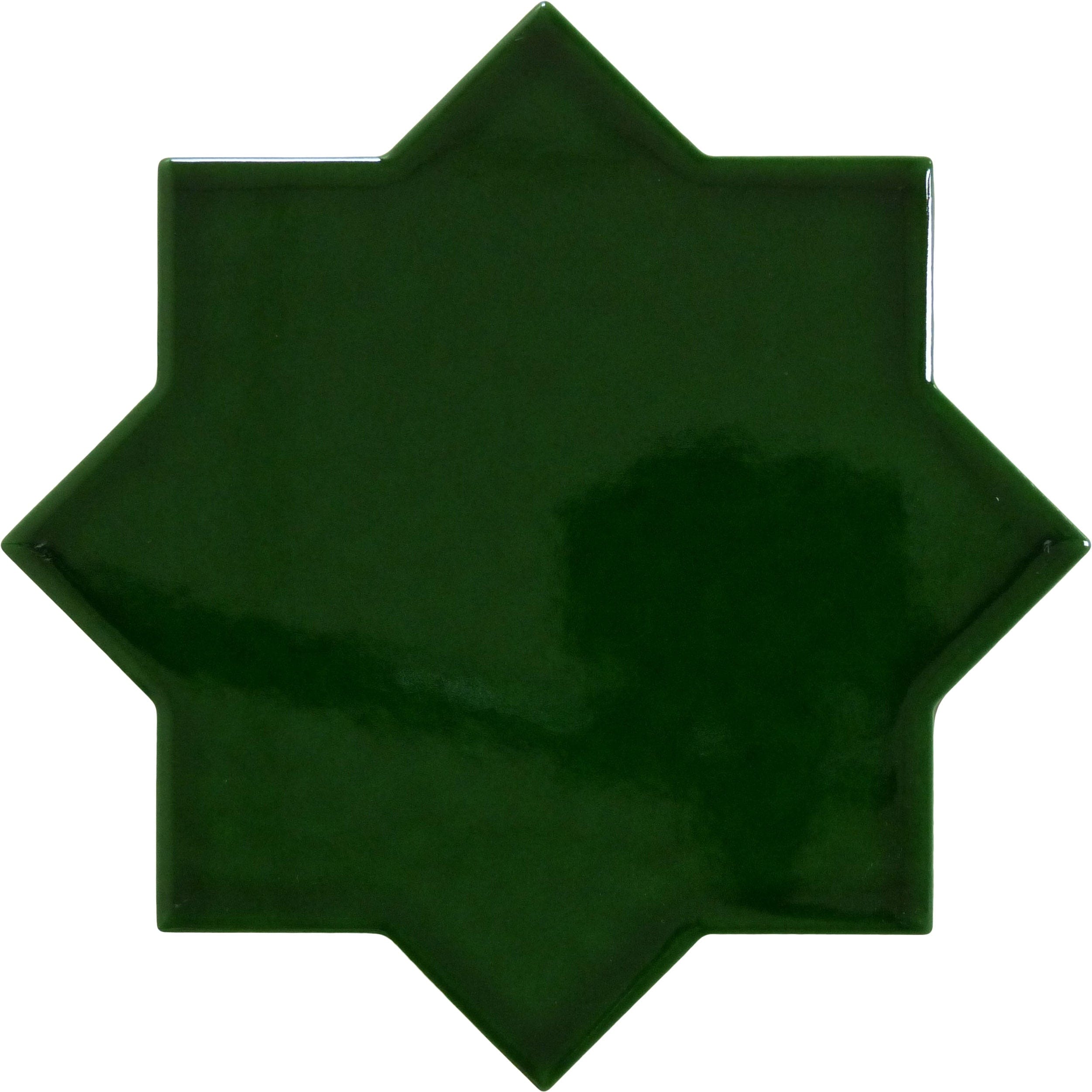
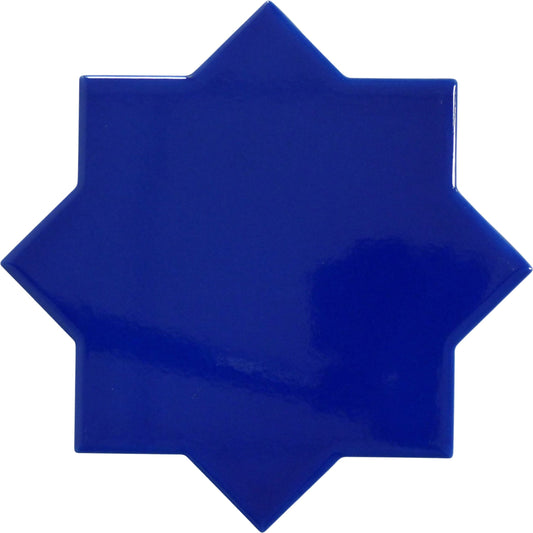
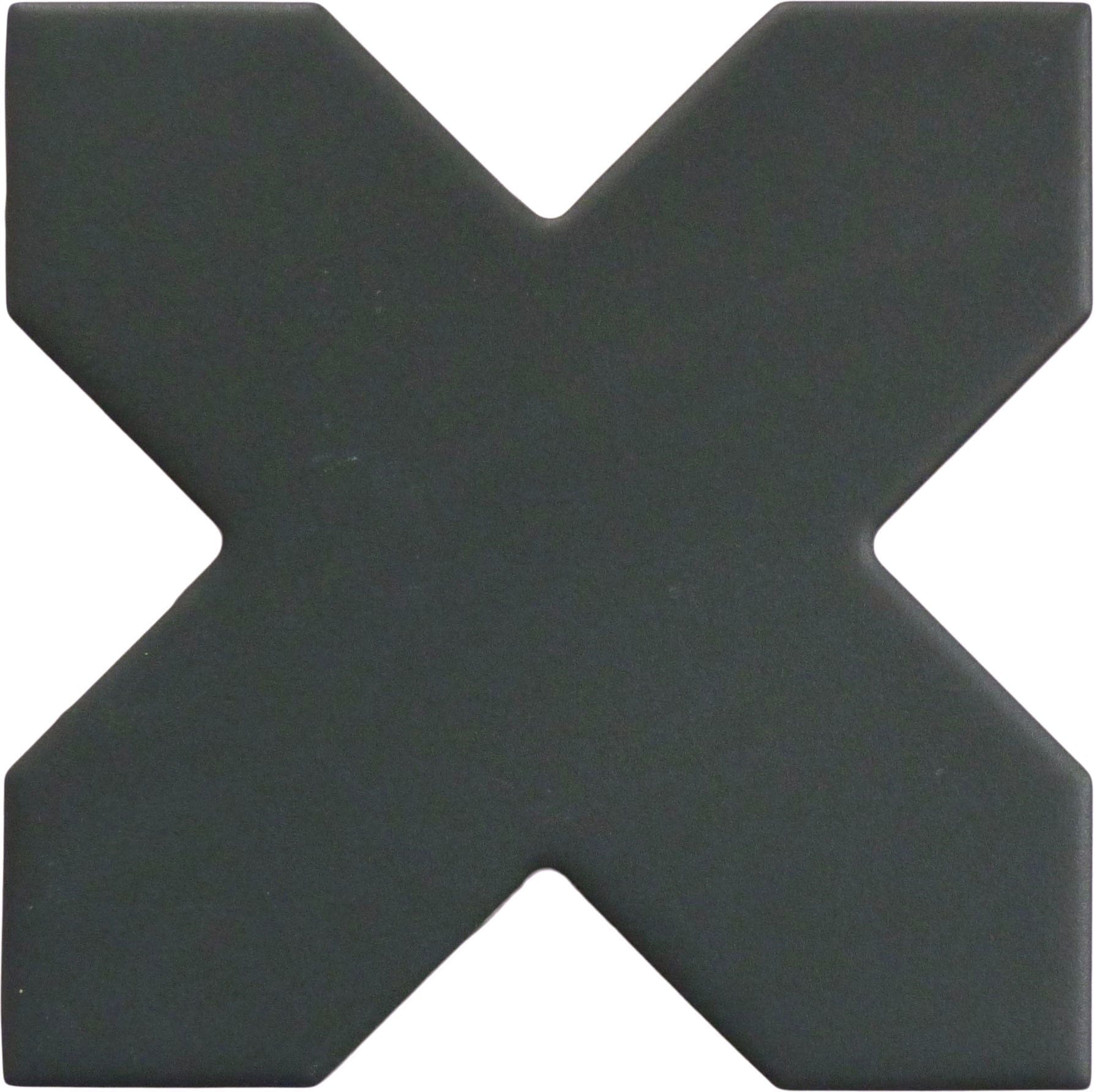
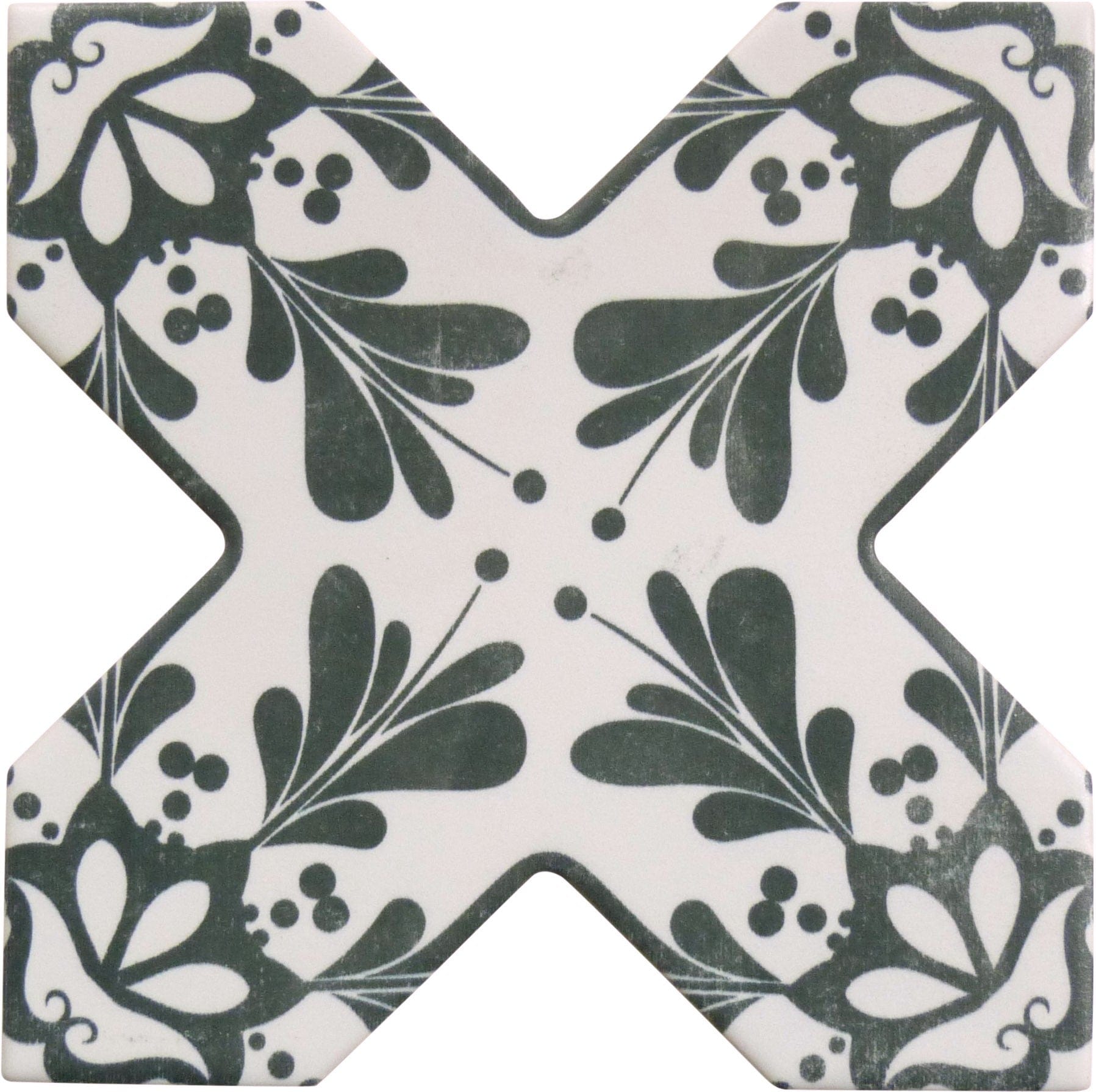
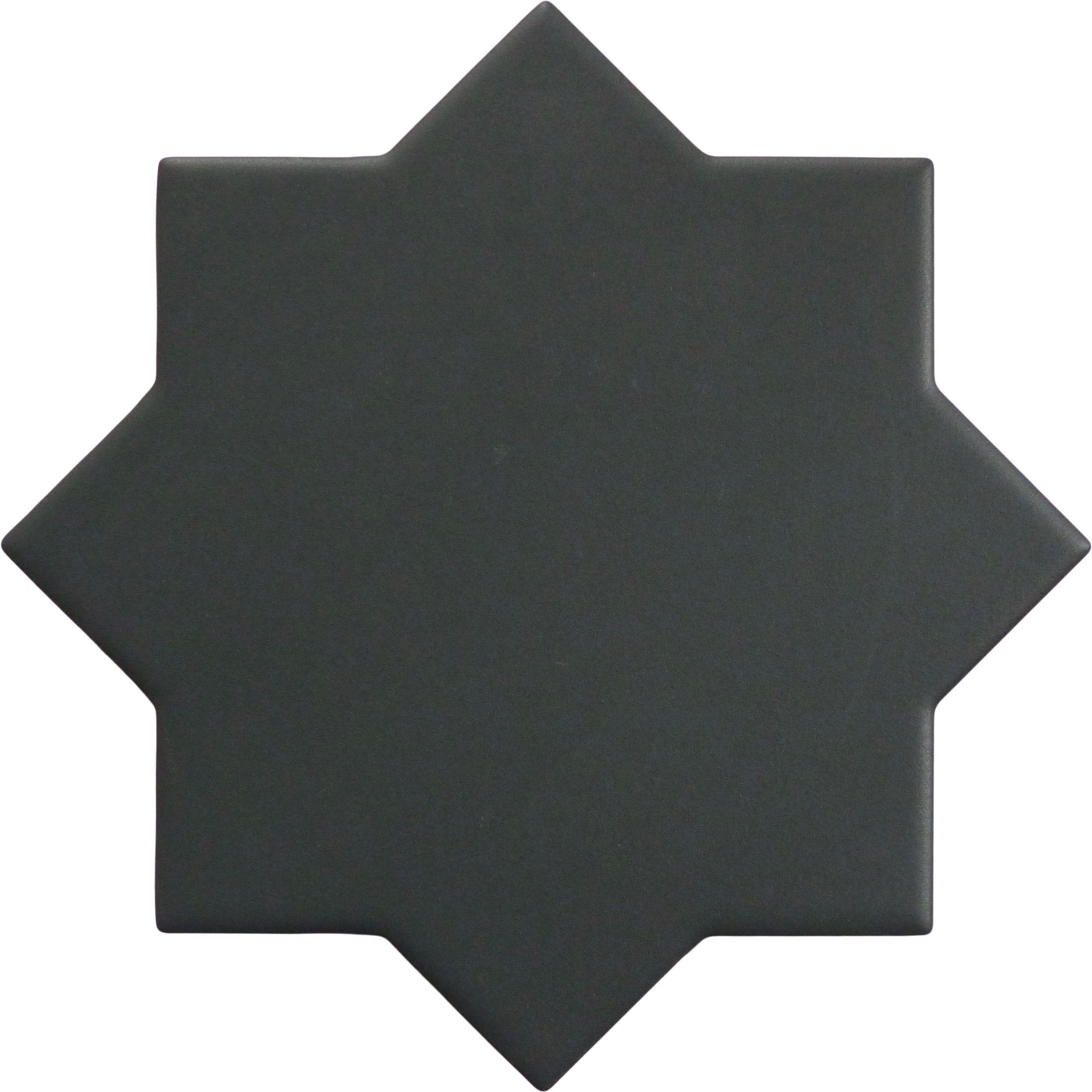
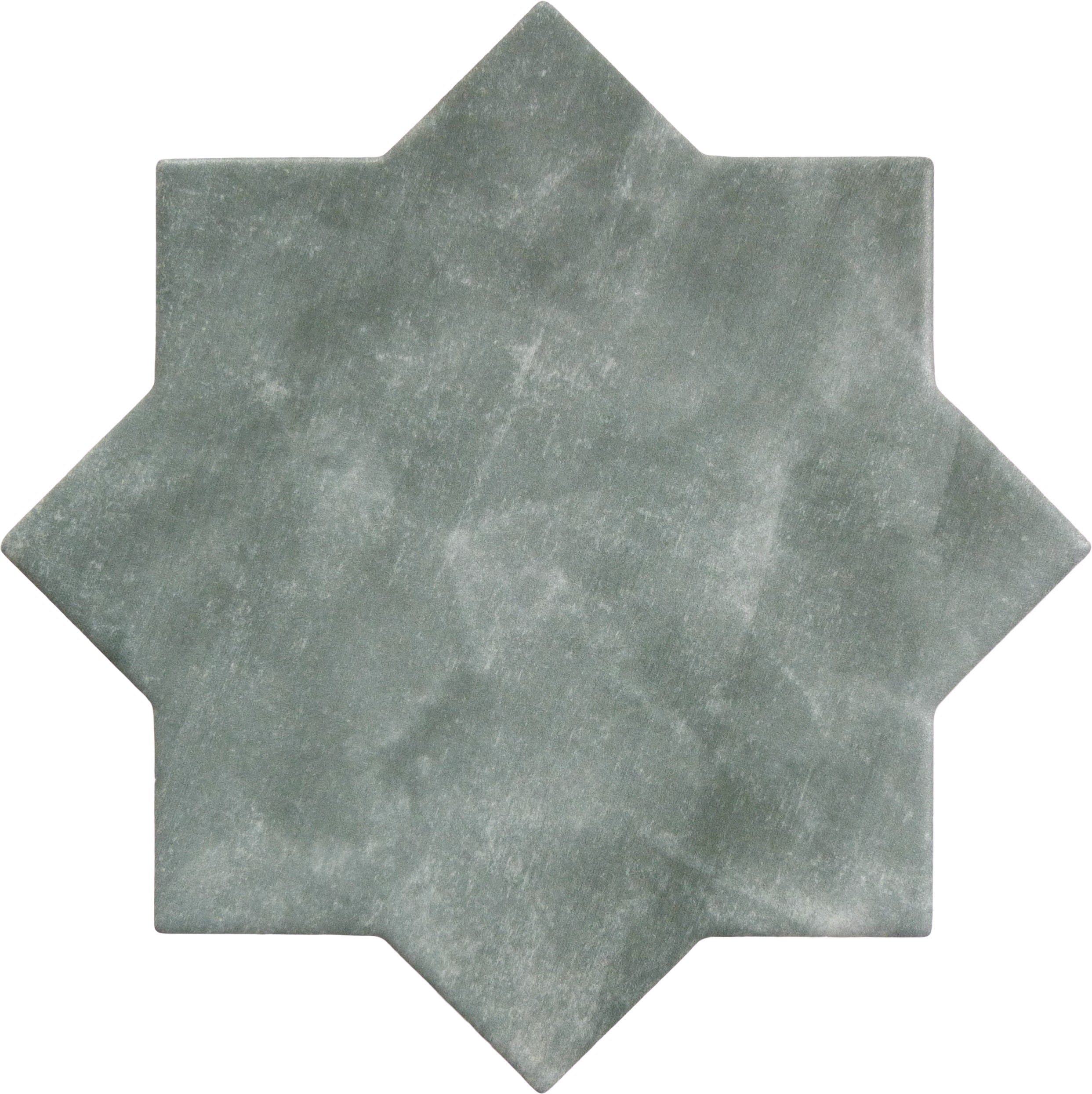
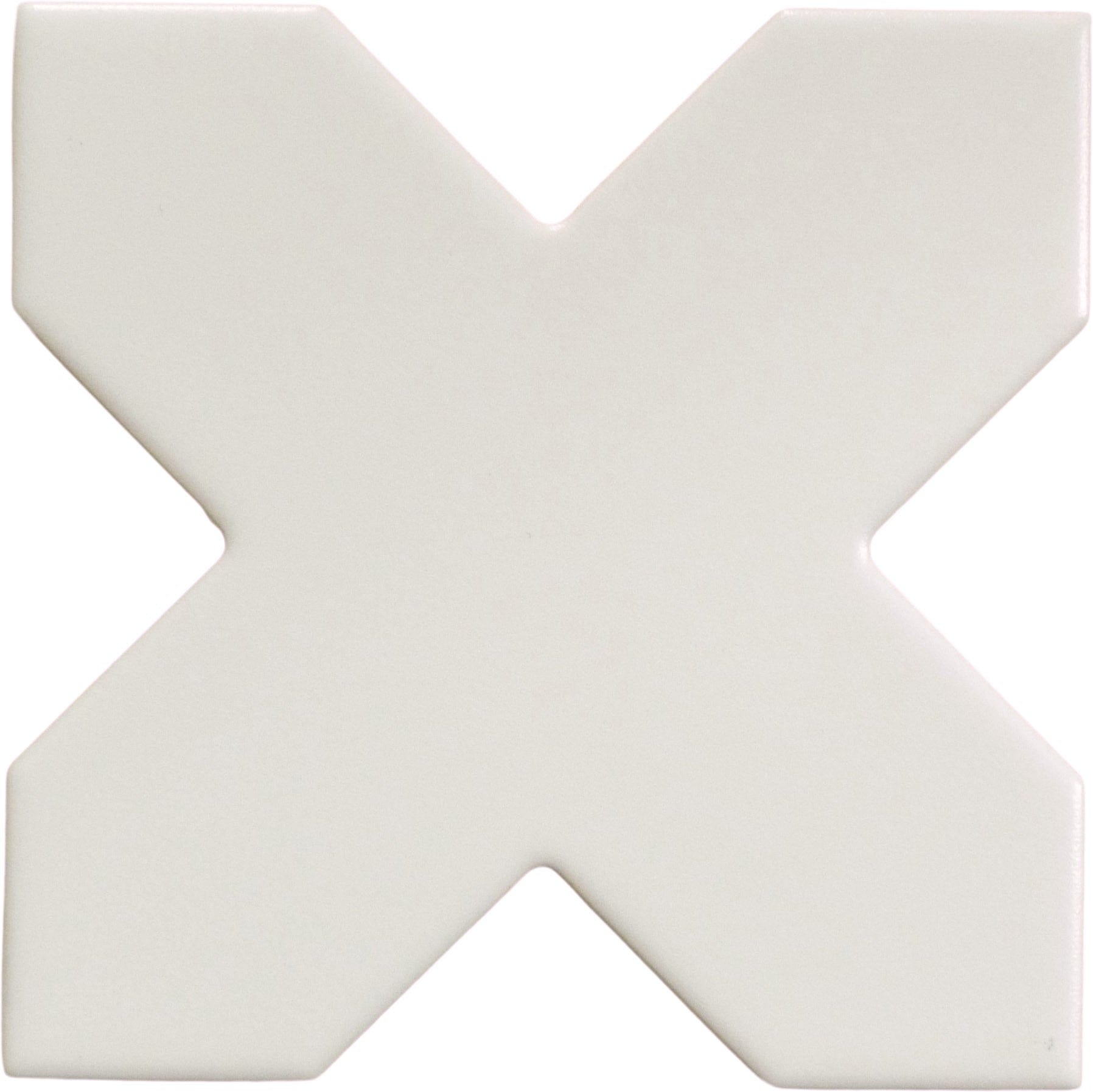
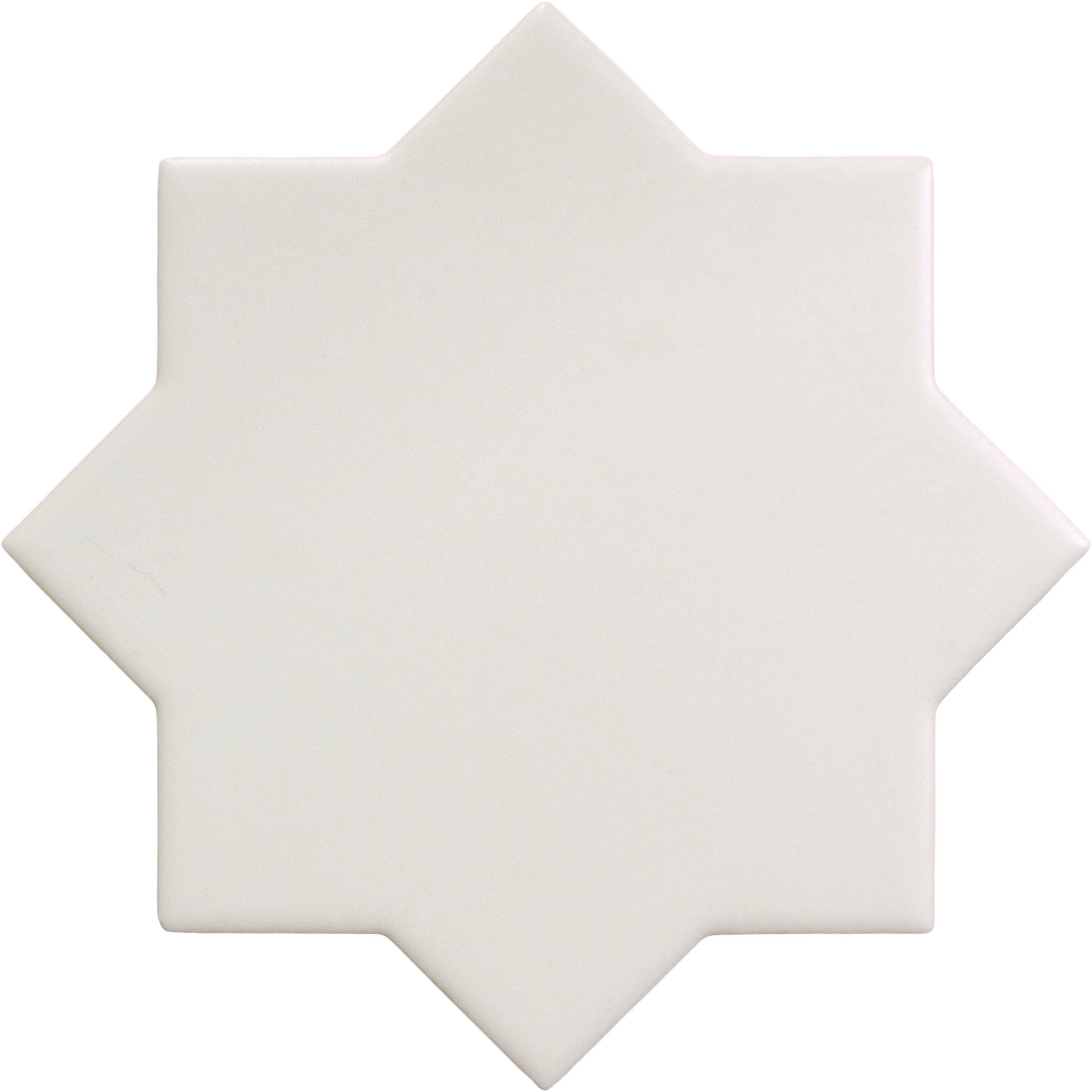
Spanish tile designs include Moorish geometric patterns, hand-painted florals in blue, yellow, and green, encaustic or cement-look patterned tile, and warm terracotta. They work well on floors, kitchen backsplashes, bathroom walls, stair risers, fireplace surrounds, and outdoor patios. Pair one bold pattern with plain tile to...


-
Frequently Asked Questions
What are traditional Spanish tile designs?
Traditional Spanish tile designs include Moorish geometric patterns, hand-painted florals, encaustic patterns, and terracotta. They often use blue, green, yellow, and white alongside warm clay tones, and reflect layered Moorish and European influences.
Where can you use Spanish tile in a house?
Depending on the product and its rating, Spanish-inspired tile can be used on floors, kitchen backsplashes, bathroom walls and floors, stair risers, and fireplace surrounds. For patios, outdoor kitchens, and pool areas, select a tile specifically rated for that setting.
Can Spanish tile be used on floors?
Yes, many patterned porcelain, cement, and terracotta tiles are used on floors. Confirm that the particular product is floor-rated and suited to the room. In bathrooms and kitchens, review the manufacturer's slip-resistance information and choose tiles for expected wet conditions. See the floor tile buying guide and TCNA's ANSI A326.3 and DCOF guidance for more information.
What is the difference between Spanish tile and Mexican tile?
The terms can refer to broad and overlapping design traditions, not a single material or manufacturing origin. Spanish-inspired tile may include Moorish geometry, florals, and terracotta. Mexican tile often refers to styles such as hand-painted Talavera or Saltillo clay, which developed distinct regional identities. Check product documentation for the actual place of manufacture.
How do you keep Spanish tile from looking too busy?
Use one patterned tile as the focal point and surround it with plain tile or quieter finishes in a color drawn from the pattern. A grout close to the tile background can also reduce visual contrast.

Find Your Spanish Backsplash Tile

Shop Patterned & Encaustic Floors

Add a Moorish Accent to Your Bath






- Choosing a selection results in a full page refresh.
- Opens in a new window.